Our Blogs For Do Dham Yatra
Let's explore more of your journey
Our Blog & Latest Articles
Discover travel tips, destination guides, inspiring stories, and expert insights for your next journey.
Explore Blogs


Do Dham or Char Dham: Complete Comparison of the Two Sacred Pilgrimages
The Himalayan state of Uttarakhand is home to some of the most sacred pilgrimage destinations in India. Among these spiritual journeys, two routes attract thousands of devotees every year: the Char Dham Yatra and the Do Dham Yatra. Pilgrims planning a trip to the Himalayas often wonder which option is more suitable for them and whether they should choose the Do Dham Yatra package or the complete Char Dham pilgrimage.
Both journeys hold deep significance in Hindu spirituality and are believed to bring divine blessings, spiritual purification, and inner peace. These pilgrimages take devotees through the breathtaking landscapes of the Himalayas, where they visit ancient temples that have been revered for centuries. The peaceful surroundings of rivers, forests, and snow-covered mountains create a unique spiritual atmosphere that enhances the experience of the yatra.
The Char Dham Yatra includes visits to four sacred temples located in the Garhwal Himalayas: Yamunotri, Gangotri, Kedarnath, and Badrinath. This pilgrimage is considered a complete spiritual circuit, connecting devotees with holy river origins and powerful deities. For many believers, completing the entire Char Dham journey represents a significant spiritual achievement, and choosing a well-organized Char Dham Yatra Package can make this extensive journey more convenient and comfortable.
The Do Dham Yatra, on the other hand, focuses on two of the most important temples in the Char Dham circuit: Kedarnath and Badrinath. These shrines hold immense religious importance and are visited by millions of devotees each year. The Do Dham pilgrimage is often preferred by travelers who want to experience the spiritual energy of the Himalayas but have limited time or travel constraints.
Understanding the differences between Do Dham and Char Dham can help pilgrims choose the most suitable pilgrimage based on factors such as travel duration, physical endurance, spiritual goals, and personal preferences. By selecting the right journey, devotees can ensure a comfortable and spiritually fulfilling yatra in the sacred Himalayan region
Meaning and Concept of Char Dham Yatra
The Char Dham Yatra is regarded as one of the most sacred pilgrimages in Hinduism. The term "Char Dham" literally means "four sacred abodes," referring to four holy temples located in the Himalayan region of Uttarakhand. These shrines are believed to represent different aspects of divine energy and spiritual purification, making the pilgrimage deeply meaningful for devotees.
The four temples included in the Char Dham pilgrimage are:
-
Yamunotri
-
Gangotri
-
Kedarnath
-
Badrinath
Each of these sacred sites holds unique religious significance and is associated with important deities and holy rivers in Hindu tradition. The temples are situated in the breathtaking Himalayan landscape, surrounded by glaciers, flowing rivers, dense forests, and snow-covered mountain peaks, which further enhance the spiritual atmosphere of the journey.
Traditionally, the Char Dham Yatra follows a specific pilgrimage order, which pilgrims have followed for generations:
-
Yamunotri
-
Gangotri
-
Kedarnath
-
Badrinath
This sequence is believed to symbolize a gradual path of spiritual purification and devotion, guiding pilgrims through different stages of faith and divine connection.
The Char Dham Yatra is often considered a complete Himalayan pilgrimage because it combines visits to sacred temples, holy river sources, and powerful spiritual centers dedicated to both Lord Shiva and Lord Vishnu. For many devotees, the journey represents an opportunity to deepen their faith, seek blessings, and experience the divine presence in the serene surroundings of the Himalayas.
For centuries, pilgrims from across India have undertaken this sacred journey with the belief that completing the Char Dham Yatra helps cleanse past sins, purify the soul, and move closer toward spiritual liberation (moksha).
Meaning and Concept of Do Dham Yatra
The Do Dham Yatra is a shorter version of the famous Char Dham pilgrimage and includes visits to two highly sacred temples in the Himalayan region of Uttarakhand: Kedarnath and Badrinath. These temples hold immense importance in Hindu tradition and attract millions of devotees every year who come to seek blessings, spiritual peace, and divine guidance.
Temples Included in the Do Dham Yatra
The pilgrimage focuses on two major shrines:
-
Kedarnath Temple – Dedicated to Lord Shiva
-
Badrinath Temple – Dedicated to Lord Vishnu
Both temples are among the most revered pilgrimage sites in India and form an important part of the larger Char Dham circuit. Visiting these sacred shrines allows devotees to experience the spiritual energy of the Himalayas while connecting with two of the most powerful deities in Hindu belief.
The Kedarnath–Badrinath Yatra is considered spiritually significant because it represents a balance between two important cosmic forces in Hindu philosophy. Lord Shiva is associated with transformation, spiritual awakening, and the destruction of negativity, while Lord Vishnu symbolizes preservation, protection, and compassion toward humanity.
Many pilgrims choose the Do Dham pilgrimage when they want a meaningful spiritual journey but have limited time or travel constraints. Compared to the full Char Dham Yatra, this pilgrimage requires fewer travel days while still offering a powerful devotional experience.
Despite being shorter in duration, the Do Dham Yatra remains deeply spiritual and fulfilling, as both Kedarnath and Badrinath are among the holiest temples in India and hold immense religious significance for devotees. The journey through the Himalayan landscapes, combined with temple visits and rituals, makes the pilgrimage a memorable experience of faith and devotion.
Temples Included in Char Dham Yatra
The Char Dham Yatra is one of the most sacred pilgrimages in the Himalayan region of Uttarakhand. It includes visits to four revered temples: Yamunotri, Gangotri, Kedarnath, and Badrinath. Each temple holds deep spiritual, mythological, and religious significance, and together they represent a complete journey of devotion and purification for Hindu pilgrims.
Yamunotri Temple
The pilgrimage traditionally begins with a visit to the Yamunotri Temple, which is dedicated to the Goddess Yamuna. The temple marks the origin of the Yamuna River, one of the most sacred rivers in India. Devotees believe that worshipping Goddess Yamuna protects them from suffering and grants blessings of health, purity, and prosperity. Pilgrims must trek through a scenic mountain path to reach the temple, and this trek is often seen as an act of devotion and spiritual discipline.
Gangotri Temple
The next stop in the pilgrimage is Gangotri Temple, the sacred source of the River Ganga. The Ganga is regarded as the holiest river in Hindu tradition and is believed to have the divine power to cleanse sins and purify the soul. At Gangotri, pilgrims offer prayers, perform rituals, and take part in religious ceremonies along the riverbanks, making it a deeply spiritual part of the journey.
Kedarnath Temple
Kedarnath Temple, dedicated to Lord Shiva, is one of the twelve sacred Jyotirlingas and holds immense importance in Hindu mythology. Located at an altitude of over 3,500 meters in the Garhwal Himalayas, the temple is surrounded by towering snow-capped peaks and breathtaking natural beauty. Pilgrims usually undertake a challenging trek to reach the shrine, which makes visiting Kedarnath one of the most spiritually intense and memorable parts of the Char Dham Yatra.
Badrinath Temple
The final destination of the pilgrimage is the Badrinath Temple, dedicated to Lord Vishnu. Situated on the banks of the Alaknanda River, the temple is one of the most revered pilgrimage sites in Hinduism. Devotees visit Badrinath to seek divine protection, spiritual guidance, and blessings for a prosperous life. The temple’s serene setting and deep religious importance make it a fitting conclusion to the sacred Char Dham journey.
Together, these four temples represent a complete spiritual circuit, guiding pilgrims through a journey of faith, purification, and devotion in the sacred Himalayan landscape.
Temples Included in Do Dham Yatra
The Do Dham Yatra focuses on visiting two of the most important and sacred temples in the Himalayan region, Kedarnath and Badrinath. These temples hold immense religious significance in Hindu tradition and are visited by millions of devotees every year who come seeking blessings, peace, and spiritual fulfillment.
Kedarnath Temple, dedicated to Lord Shiva, is one of the twelve Jyotirlingas and is considered a powerful center of spiritual energy. Located in the majestic Garhwal Himalayas, the temple symbolizes devotion, penance, and spiritual transformation. Many pilgrims believe that visiting Kedarnath helps cleanse past sins and brings inner strength and peace.
Badrinath Temple, dedicated to Lord Vishnu, is another highly revered pilgrimage site and forms part of both the Char Dham and the Do Dham pilgrimage routes. The temple represents divine protection, compassion, and spiritual enlightenment. Devotees visit Badrinath to seek the blessings of Lord Vishnu and to experience a deep sense of devotion and tranquility.
Together, these two temples create a balanced and spiritually enriching pilgrimage, where devotees connect with both Lord Shiva and Lord Vishnu. The journey combines devotion, purification, and divine grace, making the Do Dham Yatra a meaningful spiritual experience for pilgrims.
Spiritual Significance of the Pilgrimage
The Do Dham and Char Dham pilgrimages are not only journeys across the Himalayan region but also deeply meaningful spiritual experiences for devotees. For generations, pilgrims have traveled to these sacred shrines with faith and devotion, believing that the journey brings them closer to the divine and helps them achieve spiritual growth.
Throughout the pilgrimage, travelers pass through the majestic landscapes of the Himalayas while chanting prayers, participating in temple rituals, and seeking blessings from the revered deities. The act of undertaking the journey itself is considered an important form of devotion. Many pilgrims view the challenges of traveling through mountains and high-altitude regions as part of their spiritual discipline and dedication.
Devotees believe that completing the pilgrimage can bring several spiritual and emotional benefits, such as:
-
Purification of the soul
-
Removal of negative karma from past actions
-
Strengthening of faith and devotion toward the divine
-
Developing a deeper connection with spiritual energy
-
Progress toward spiritual liberation, often referred to as moksha
In addition to its religious importance, the natural beauty of the Himalayas plays a major role in shaping the spiritual atmosphere of the journey. The peaceful surroundings, flowing rivers, sacred ghats, and towering snow-covered peaks create a sense of calm and reflection that enhances the overall pilgrimage experience.
For many devotees, the yatra becomes more than just visiting temples; it becomes a journey of faith, self-discovery, and spiritual renewal that leaves a lasting impact on their lives.
Char Dham vs Do Dham: Key Differences
Understanding the difference between the Char Dham Yatra and the Do Dham Yatra helps pilgrims choose the journey that best fits their time, physical ability, and travel preferences. While both pilgrimages are spiritually significant and take place in the sacred Himalayan region of Uttarakhand, they differ in several important aspects.
Number of Temples
The Char Dham Yatra includes visits to four sacred temples: Yamunotri, Gangotri, Kedarnath, and Badrinath. In contrast, the Do Dham Yatra includes two temples, usually Kedarnath and Badrinath, which are among the most important pilgrimage sites in the region.
Duration
Because it covers four destinations, the Char Dham Yatra generally requires more time to complete, often taking around 10 to 12 days depending on the itinerary. The Do Dham Yatra, on the other hand, is shorter and more time-efficient, typically completed within 5 to 7 days.
Travel Distance
The Char Dham pilgrimage involves a longer travel route across different valleys and mountain regions of Uttarakhand. The Do Dham journey is comparatively shorter since it focuses only on Kedarnath and Badrinath.
Difficulty Level
The Char Dham Yatra can be more physically demanding due to longer travel distances and multiple trekking routes, including the trek to Yamunotri and Kedarnath. The Do Dham Yatra is relatively easier as it includes fewer travel segments and a simpler itinerary.
Overall, the Char Dham Yatra offers a complete traditional pilgrimage experience, while the Do Dham Yatra provides a shorter and more manageable spiritual journey.
Duration of Both Yatras
The duration of the pilgrimage is one of the key factors pilgrims consider when deciding between the Do Dham Yatra and the Char Dham Yatra. Since both journeys involve travel through mountainous regions of Uttarakhand, the time required largely depends on the number of temples included in the itinerary and the overall travel distance.
The Char Dham Yatra usually takes around 10 to 12 days to complete. This is because the pilgrimage includes visits to four sacred temples: Yamunotri, Gangotri, Kedarnath, and Badrinath. The journey involves long road travel through Himalayan valleys, along with trekking routes to certain temples, which naturally increases the overall duration.
In comparison, the Do Dham Yatra generally takes about 5 to 7 days since it covers only two major temples, Kedarnath and Badrinath. With fewer destinations and shorter travel distances, the itinerary becomes more manageable for many travelers.
For this reason, many pilgrims prefer the shorter Do Dham journey when they have limited time but still wish to experience the spiritual atmosphere and blessings of the Himalayan temples.
Travel Route and Itinerary Comparison
Both the Do Dham Yatra and the Char Dham Yatra follow well-established pilgrimage routes through the scenic Himalayan region of Uttarakhand. These routes connect several holy towns, river valleys, and mountain roads that lead pilgrims to the sacred temples.
Char Dham Yatra Route
The traditional Char Dham itinerary follows a specific sequence that pilgrims have followed for generations:
Haridwar → Yamunotri → Gangotri → Kedarnath → Badrinath
The char dham yatra route covers all four sacred shrines and involves traveling through multiple Himalayan valleys, hill towns, and pilgrimage stops. Because it includes four destinations, the journey usually takes more time and involves longer travel distances.
Do Dham Yatra Route
The Do Dham Yatra follows a shorter and more direct route:
Haridwar → Kedarnath → Badrinath
Since it covers only two temples, the journey takes less time, making the Do Dham Yatra itinerary easier to complete, especially for travelers with limited time.
Overall, the Char Dham route is longer and more extensive, offering a complete pilgrimage experience across the Garhwal Himalayas. In contrast, the Do Dham route is shorter and more convenient, making it a popular option for pilgrims who prefer a less time-consuming journey while still visiting two of the most important sacred temples.
Difficulty Level and Trekking Requirements
The Char Dham pilgrimage generally requires greater physical endurance because it involves longer travel distances and trekking routes to certain temples. Pilgrims must trek to reach Yamunotri and Kedarnath, which can be physically demanding due to steep mountain paths and higher altitudes.
In comparison, the Do Dham Yatra is relatively less demanding since it covers fewer destinations. Although the Kedarnath trek is still part of the journey, the overall travel distance and duration are shorter than the complete Char Dham route.
To make the pilgrimage easier, many travelers opt for alternative travel options such as helicopter services, pony rides, or palki services, which help reduce the physical strain while allowing pilgrims to complete the sacred journey comfortably.
Best Time to Visit the Yatras
The temples associated with both pilgrimages remain open only during specific months of the year due to the harsh winter conditions in the Himalayas. Generally, the temple doors open in late spring and stay accessible until early autumn.
The best time to undertake these yatras is usually between May and October, when weather conditions are relatively stable, and travel routes become accessible. During these months, roads, trekking paths, and essential facilities for pilgrims are fully operational.
Traveling in this period allows pilgrims to experience pleasant weather, safer road conditions, and smoother temple access, making the spiritual journey more comfortable and manageable. However, it is always advisable to check weather forecasts and travel advisories before planning the pilgrimage.
Which Yatra is Better for Pilgrims?
Choosing between the Do Dham Yatra and the Char Dham Yatra largely depends on a pilgrim’s available time, physical fitness, and personal spiritual goals. Both journeys hold great religious importance and offer a deeply spiritual experience in the sacred Himalayas.
Pilgrims who wish to complete the traditional and full pilgrimage often choose the Char Dham Yatra, as it includes visits to all four holy shrines: Yamunotri, Gangotri, Kedarnath, and Badrinath. Completing the entire circuit is considered highly sacred in Hindu tradition.
On the other hand, travelers with limited time or those looking for a shorter and less demanding journey may prefer the Do Dham Yatra. This pilgrimage usually includes Kedarnath and Badrinath and still provides a powerful spiritual experience while being more convenient to complete.
Which Yatra is Suitable for Elderly Travelers?
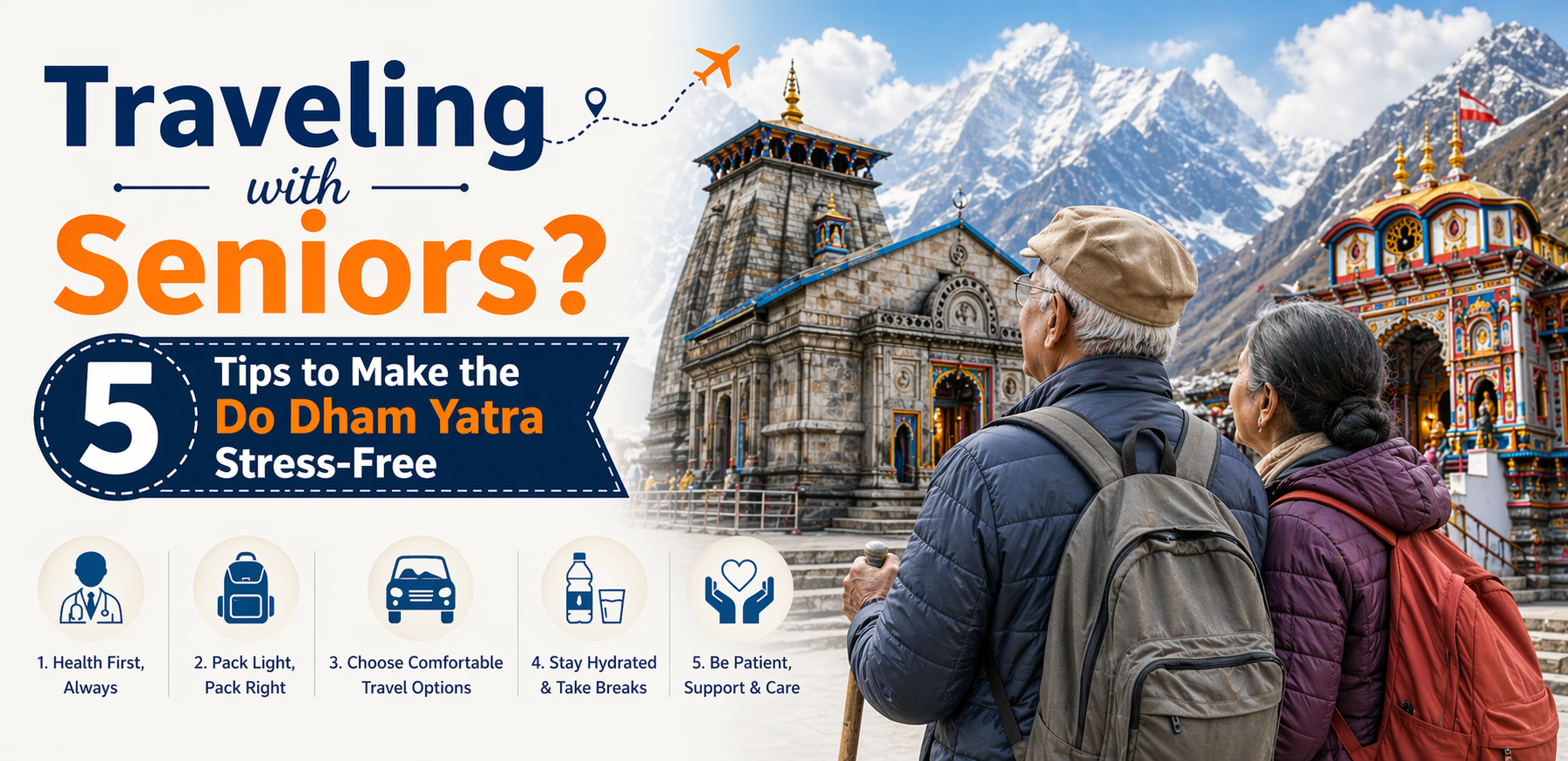
For elderly pilgrims, choosing a shorter and more comfortable pilgrimage option is often the best decision. The Do Dham Yatra, which usually includes visits to Kedarnath and Badrinath, is generally considered more suitable for senior travelers.
Compared to the complete Char Dham circuit, the Do Dham pilgrimage has a shorter duration and reduced travel distance, making it easier to manage physically. The journey involves fewer long road trips and allows pilgrims to travel at a more relaxed pace.
In addition, many tour operators offer senior-friendly travel arrangements such as guided tours, well-planned itineraries, comfortable accommodations, and transportation services. For those who want to avoid long treks, helicopter services are also available, especially for Kedarnath, allowing elderly pilgrims to complete the pilgrimage safely and conveniently.
With proper planning and assistance, senior travelers can enjoy a smooth, comfortable, and spiritually fulfilling yatra.
Travel Preparation Tips for Pilgrims
Proper preparation is essential before beginning any Himalayan pilgrimage. The journey to sacred destinations in the mountains involves changing weather conditions, long travel hours, and sometimes trekking at higher altitudes. Being well prepared helps pilgrims stay safe, healthy, and comfortable throughout the yatra.
Pilgrims should consider the following travel tips before starting their journey:
-
Carry Warm Clothing: Weather in the mountains can change quickly, so packing warm layers, jackets, and shawls is important even during the summer months.
-
Wear Comfortable Trekking Shoes: Good-quality trekking or walking shoes provide proper grip and support, especially on uneven paths and temple trails.
-
Carry Essential Medicines: Keep basic medicines, personal prescriptions, first-aid supplies, and items like pain relievers, bandages, and altitude sickness tablets.
-
Stay Hydrated: Drink sufficient water during the journey to avoid dehydration and fatigue, especially while walking or trekking in higher altitudes.
-
Follow Travel Advisories: Always follow local guidelines, weather updates, and safety instructions provided by authorities or tour guides.
With proper planning and preparation, pilgrims can enjoy a safe, comfortable, and spiritually fulfilling journey in the Himalayas.
Conclusion
The decision between Do Dham and Char Dham depends on individual travel goals, available time, and physical ability. Referring to a detailed Do Dham Yatra guide can help pilgrims make an informed choice based on their needs. The Char Dham Yatra offers a complete and traditional pilgrimage that covers four sacred temples and provides a deeper spiritual journey through the Himalayas, while the Do Dham Yatra offers a shorter but equally meaningful pilgrimage focusing on the divine shrines of Kedarnath and Badrinath.
Both journeys allow devotees to experience the spiritual beauty of the Himalayas and seek blessings from ancient temples. With proper planning and preparation, either pilgrimage can become a truly unforgettable spiritual experience.
Frequently Asked Questions About Do Dham and Char Dham Yatra
1. What is the difference between the Do Dham Yatra and the Char Dham Yatra?
The main difference between the two pilgrimages is the number of temples included. The Char Dham Yatra covers four sacred temples in Uttarakhand—Yamunotri, Gangotri, Kedarnath, and Badrinath. The Do Dham Yatra is a shorter pilgrimage that includes only Kedarnath and Badrinath. Char Dham is a longer journey, while Do Dham is a more time-efficient option.
2. Which temples are included in the Char Dham Yatra?
The Char Dham Yatra includes four important temples located in the Himalayan region of Uttarakhand:
-
Yamunotri Temple is dedicated to the Goddess Yamuna
-
Gangotri Temple is dedicated to the Goddess Ganga
-
Kedarnath Temple is dedicated to Lord Shiva
-
Badrinath Temple is dedicated to Lord Vishnu
Together, these temples form one of the most sacred pilgrimage circuits in Hindu tradition.
3. Which temples are included in the Do Dham Yatra?
The Do Dham Yatra includes two major pilgrimage sites in Uttarakhand:
-
Kedarnath Temple is dedicated to Lord Shiva
-
Badrinath Temple is dedicated to Lord Vishnu
This journey is considered a shorter version of the Char Dham pilgrimage and is popular among travelers with limited time.
4. Which Yatra is better, Do Dham or Char Dham?
Both pilgrimages are spiritually meaningful, but the choice depends on time, fitness level, and travel preferences. Char Dham offers a complete spiritual journey covering four sacred temples, while Do Dham is a shorter and easier option that still includes two of the most important shrines in the Himalayas.
5. How many days are required for Char Dham Yatra and Do Dham Yatra?
A typical Char Dham Yatra usually takes around 10 to 12 days to complete, depending on travel routes and weather conditions. The Do Dham Yatra generally takes 5 to 7 days, making it a convenient option for travelers with limited time.
6. What is the meaning and concept of Char Dham Yatra?
The Char Dham Yatra represents a sacred pilgrimage that connects devotees with four holy temples and important rivers in the Himalayas. The journey symbolizes spiritual purification and devotion, guiding pilgrims through sacred locations dedicated to important Hindu deities.
7. What is the spiritual significance of the Do Dham and Char Dham Yatra?
Both pilgrimages hold deep spiritual significance in Hinduism. Visiting these temples is believed to bring spiritual growth, inner peace, and divine blessings. Devotees often undertake these journeys as a way to strengthen their faith and seek spiritual purification.
8. What is the travel route map for Char Dham Yatra?
The traditional route for the Char Dham Yatra usually begins from Haridwar or Rishikesh and follows this sequence: Yamunotri → Gangotri → Kedarnath → Badrinath. This order is followed for religious and geographical reasons and helps pilgrims complete the journey in a systematic way.
9. When is the best time to visit Char Dham and Do Dham Yatra?
The best time to visit both Char Dham and Do Dham Yatra is typically between May and June and again from September to October. These months usually offer better weather conditions for travel in the Himalayan region.
10. Which Yatra is suitable for elderly travelers, Do Dham or Char Dham?
For many elderly travelers, the Do Dham Yatra is often more suitable because it requires fewer travel days and involves fewer locations. However, with proper planning, comfortable transportation, and support services, senior citizens can also complete the Char Dham Yatra safely.
Read Full Story
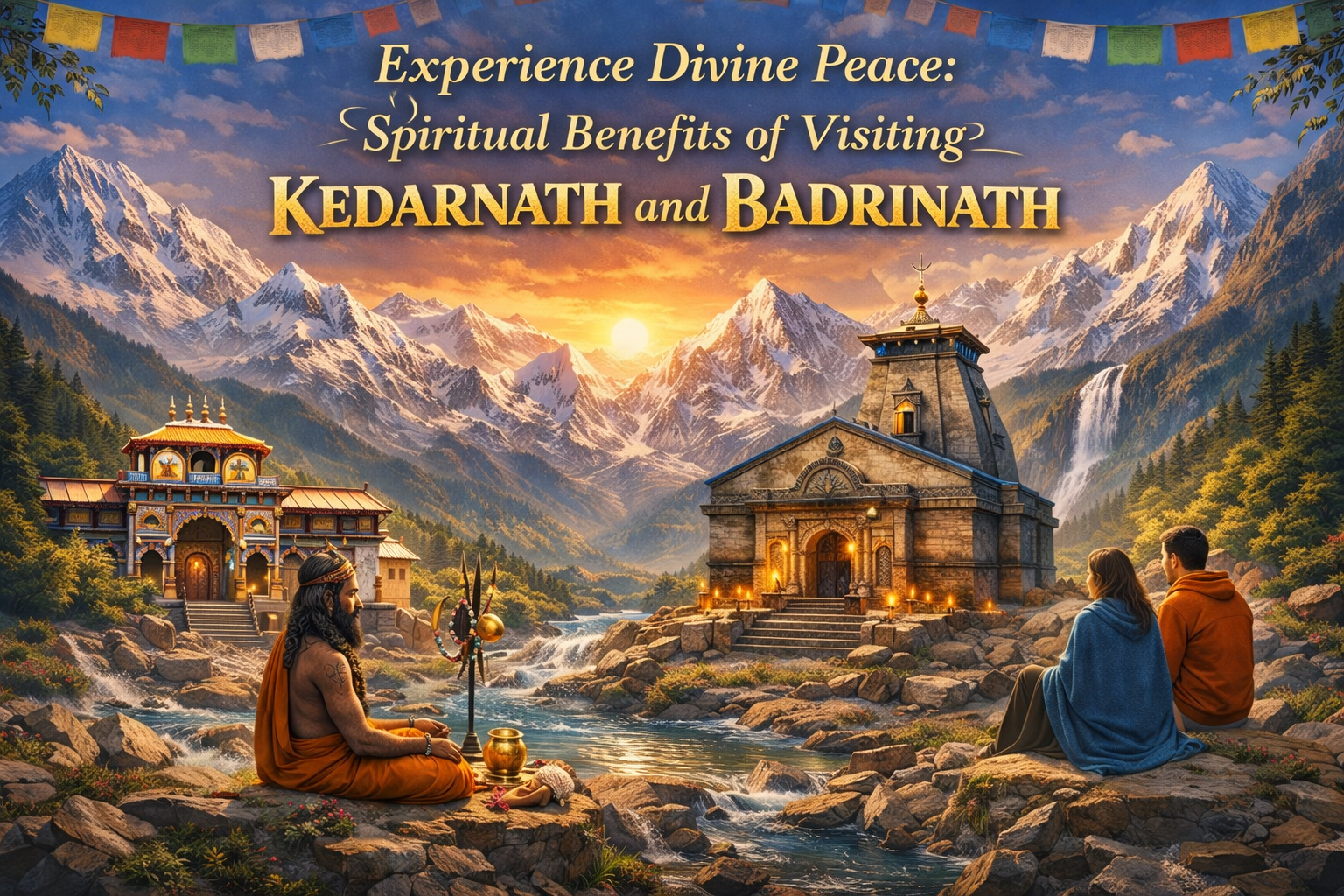
Experience Divine Peace: Spiritual Benefits of Visiting Kedarnath and Badrinath
The Himalayas have always been regarded as the land of spirituality and divine energy. Among the most revered pilgrimages in India is the sacred journey to Kedarnath and Badrinath, often called the Do Dham Yatra. Devotees from across the world travel through the mountains to seek blessings and inner peace at these holy shrines, and many choose a Do Dham Yatra package to make their journey more convenient and well-organized.
Understanding the spiritual benefits of visiting Kedarnath and Badrinath goes beyond simply visiting temples. The pilgrimage is a journey of faith, devotion, reflection, and self-discovery. The peaceful surroundings, the chants of prayers, and the majestic mountains create an atmosphere that inspires spiritual awakening.
Both Kedarnath Temple and Badrinath Temple hold immense importance in Hindu tradition. Kedarnath is dedicated to Lord Shiva and is one of the twelve Jyotirlingas, while Badrinath is dedicated to Lord Vishnu and is part of the sacred Char Dham pilgrimage.
For centuries, saints, sages, and devotees have believed that completing the Kedarnath-Badrinath pilgrimage helps cleanse the soul, remove negative karma, and strengthen one's spiritual connection with the divine, which is why opting for a Do Dham Yatra package can help ensure a smooth and focused spiritual experience.
In this comprehensive guide for do dham yatra, we will explore the deeper meaning behind the yatra, the planning process, the best time to visit, and the powerful spiritual transformation many pilgrims experience during this sacred journey, along with how a Do Dham Yatra package can enhance your overall pilgrimage experience.
Planning Your Kedarnath and Badrinath Yatra
Planning a pilgrimage to the Himalayas requires careful preparation. The remote location, mountainous terrain, and unpredictable weather conditions make it important to organize your journey properly.
Many travelers prefer choosing a Kedarnath yatra package or a Badrinath yatra package because these packages simplify travel arrangements. They typically include transportation, accommodation, meals, and assistance during the pilgrimage.
Proper planning allows pilgrims to focus on the spiritual aspect of the journey rather than worrying about logistics.
Travel Routes
The pilgrimage usually begins from cities such as Haridwar, Rishikesh, or Dehradun. From there, pilgrims travel through scenic mountain roads that pass rivers, valleys, and small villages.
Kedarnath requires a trek from Gaurikund to the temple, while Badrinath is accessible by road.
Registration and Permits
Authorities require pilgrims to complete registration before starting the journey. This process helps ensure safety and proper management of the large number of visitors each year.
Packing Essentials
Travelers should carry warm clothes, comfortable footwear, rain gear, personal medicines, and identification documents. Weather in the mountains can change quickly, so being prepared is important.
With proper preparation, the Kedarnath and Badrinath tour becomes a peaceful and spiritually enriching experience.
Why Choose Kedarnath and Badrinath Yatra
The Do Dham pilgrimage is not just about visiting temples; it is about experiencing devotion in its purest form.
Choosing the Kedarnath-Badrinath pilgrimage allows travelers to connect with two powerful spiritual centers in the Himalayas.
A Journey of Faith
Many devotees undertake this pilgrimage to express gratitude, seek blessings, or fulfill long-standing spiritual desires.
The journey itself becomes an act of devotion as pilgrims walk, pray, and chant while traveling through the sacred mountains.
Experiencing the Himalayan Spiritual Energy
The Himalayas are often called the abode of the gods. The peaceful environment, flowing rivers, and majestic peaks create an atmosphere that encourages reflection and meditation.
A Path Toward Inner Peace
The pilgrimage provides a break from the distractions of daily life. Spending time in the mountains helps people reconnect with their inner selves and find clarity in their thoughts.
For many devotees, the spiritual benefits of visiting Kedarnath and Badrinath continue long after the journey ends.
Best Time to Visit Kedarnath & Badrinath
Timing plays a crucial role when planning a pilgrimage to the Himalayas.
Both Kedarnath and Badrinath remain open only for a few months each year due to extreme winter conditions.
Summer Season (May to June)
The summer months are considered one of the best times to visit. The weather is relatively pleasant, and the roads are accessible.
During this period, thousands of pilgrims undertake the Kedarnath and Badrinath tour.
Monsoon Season (July to August)
While the temples remain open, heavy rainfall can sometimes cause travel disruptions. Pilgrims should check weather updates and travel advisories.
Autumn Season (September to October)
This period offers clear skies, breathtaking views of the mountains, and fewer crowds. Many travelers consider this the ideal time to complete the Kedarnath-Badrinath pilgrimage.
Planning the journey during favorable weather ensures a comfortable and safe pilgrimage experience.
Understanding the Importance of Kedarnath Dham
The Kedarnath Temple holds immense spiritual significance in Hindu mythology and tradition.
Situated at an altitude of over 3,500 meters in the Garhwal Himalayas, the temple is dedicated to Lord Shiva and is one of the most revered Jyotirlingas.
According to ancient legends, the temple was established by the Pandavas after the Mahabharata war as an act of repentance for their actions during the battle.
Symbol of Devotion and Faith
Reaching Kedarnath requires determination and devotion. The trek through the mountains becomes a spiritual test of faith for many pilgrims.
Connection with Lord Shiva
Devotees believe that visiting Kedarnath helps remove past sins and brings divine blessings into their lives.
A Place for Spiritual Reflection
The peaceful environment surrounding the temple allows pilgrims to meditate, pray, and experience deep spiritual tranquility.
Many devotees describe the spiritual benefits of visiting Kedarnath as a feeling of inner peace that is difficult to explain but deeply transformative.
Understanding the Importance of Badrinath Dham
Located on the banks of the Alaknanda River, the Badrinath Temple is dedicated to Lord Vishnu and is one of the most important pilgrimage sites in India.
The temple is part of both the Char Dham and the Chota Char Dham pilgrimages.
Historical and Spiritual Significance
It is believed that the temple was established by Adi Shankaracharya in the 8th century to revive Hindu spiritual traditions in the Himalayas.
A Sacred Place of Worship
Devotees visit Badrinath to seek blessings for prosperity, protection, and spiritual enlightenment.
The Divine Atmosphere
Surrounded by snow-capped mountains and flowing rivers, the temple creates a powerful spiritual atmosphere that inspires devotion.
The spiritual benefits of visiting Badrinath include emotional healing, spiritual awakening, and a deeper connection with divine energy.
Spiritual Benefits of the Do Dham Yatra
The spiritual benefits of visiting Kedarnath and Badrinath are often described as life-changing experiences.
Cleansing of Karma
Many devotees believe that completing the Kedarnath-Badrinath pilgrimage helps cleanse past karma and purify the soul.
Strengthening Faith
The journey strengthens a pilgrim's faith and devotion, especially when facing physical challenges during travel.
Inner Peace and Mental Clarity
The peaceful environment of the Himalayas allows pilgrims to disconnect from stress and reconnect with their inner selves.
A Sense of Gratitude
Standing before the sacred temples often fills devotees with humility and gratitude.
These spiritual experiences make the pilgrimage far more meaningful than an ordinary journey.
Kedarnath & Badrinath Yatra for Senior Citizens & Families
One of the beautiful aspects of the pilgrimage is that it welcomes people of all ages.
Many families travel together to share the spiritual experience.
Travel Options for Senior Citizens
Today, several Kedarnath yatra packages and Badrinath yatra package options include services specially designed for senior travelers.
These may include comfortable accommodation, guided travel assistance, and helicopter services for Kedarnath.
Safe and Comfortable Travel
Modern travel facilities make the Kedarnath and Badrinath tour accessible for families and elderly devotees.
Creating Family Memories
Completing the pilgrimage together strengthens family bonds and creates memories that last a lifetime.
For many families, the journey becomes a shared spiritual experience that deepens their connection with faith and tradition.
Final Thoughts
The spiritual benefits of visiting Kedarnath and Badrinath go far beyond religious rituals. The pilgrimage is a powerful journey that combines devotion, self-reflection, and the beauty of the Himalayas, and following essential travel tips for Do Dham yatra can make this experience even more meaningful and comfortable.
From the sacred atmosphere of Kedarnath Temple to the divine presence at Badrinath Temple, every moment of the journey offers an opportunity for spiritual growth.
The Kedarnath-Badrinath pilgrimage reminds pilgrims of the importance of faith, humility, and gratitude. It allows people to step away from daily routines and reconnect with the deeper meaning of life.
For many devotees, the experience leaves a lasting impact on their hearts and minds. Long after returning home, the memories of the mountains, the chants of prayers, and the sense of divine peace continue to inspire their spiritual path
Frequently Asked Questions for Spiritual Benefits of Visiting Kedarnath and Badrinath
1. What are the spiritual benefits of visiting Kedarnath and Badrinath?
Visiting Kedarnath and Badrinath offers deep spiritual fulfillment for devotees. Kedarnath is associated with Lord Shiva and symbolizes purification and forgiveness, while Badrinath represents the blessings of Lord Vishnu and spiritual wisdom. Pilgrims often feel a sense of inner peace, devotion, and spiritual renewal after completing the journey.
2. Why are the Kedarnath and Badrinath Yatras important in the Hindu religion?
The Kedarnath and Badrinath Yatra, commonly known as the Do Dham Yatra, holds great importance in Hinduism because it connects devotees with two of the most sacred temples dedicated to Lord Shiva and Lord Vishnu. Visiting both temples is believed to bring spiritual balance, divine blessings, and a deeper connection with faith.
3. What is the religious importance of Kedarnath Dham?
Kedarnath Dham is one of the twelve Jyotirlingas of Lord Shiva and is considered among the holiest shrines in Hinduism. According to Hindu tradition, worshipping at Kedarnath helps devotees seek forgiveness for past sins and receive Lord Shiva’s blessings for spiritual growth and protection.
4. What is the significance of Badrinath Temple in Hinduism?
Badrinath Temple is dedicated to Lord Vishnu in his form as Badrinarayan and is one of the most important pilgrimage sites in India. The temple is also part of the Char Dham pilgrimage and is believed to grant spiritual enlightenment and divine blessings to devotees who visit with devotion.
5. Why do pilgrims visit Kedarnath and Badrinath together?
Pilgrims often visit Kedarnath and Badrinath together because the two temples represent the combined blessings of Lord Shiva and Lord Vishnu. This spiritual journey symbolizes harmony between the two major deities in Hinduism and is believed to complete an important part of the Himalayan pilgrimage circuit.
6. What are the spiritual benefits of Do Dham Yatra?
The Do Dham Yatra offers several spiritual benefits, including inner peace, devotion, and spiritual cleansing. Many devotees believe that visiting Kedarnath and Badrinath strengthens faith, removes negative karma, and brings blessings for a balanced and peaceful life.
7. What is the best time to visit the Kedarnath and Badrinath temples?
The best time to visit Kedarnath and Badrinath temples is between May and June and again from September to October. During these months, the weather is relatively stable and suitable for travel in the Himalayan region. The temples remain closed during winter due to heavy snowfall.
8. Is Kedarnath and Badrinath Yatra suitable for senior citizens?
Yes, the Kedarnath and Badrinath Yatra can be suitable for senior citizens if they are medically fit and travel at a comfortable pace. Facilities such as helicopter services, ponies, and palki options are available for the Kedarnath trek, making the journey easier for elderly pilgrims.
9. Can families with children do the Kedarnath and Badrinath Yatra safely?
Families with children can complete the Kedarnath and Badrinath Yatra safely with proper planning. Choosing comfortable accommodation, maintaining a flexible travel schedule, and ensuring children stay warm and hydrated can make the journey smoother and more enjoyable.
10. How does visiting Kedarnath and Badrinath bring spiritual peace?
The peaceful Himalayan surroundings, sacred temples, and devotional atmosphere create a powerful spiritual experience. Spending time in prayer and reflection at Kedarnath and Badrinath helps many pilgrims feel calm, spiritually connected, and mentally refreshed.
Read Full Story
How to Prepare Physically for Do Dham Yatra: Complete Fitness & Health Preparation
The sacred Do Dham Yatra, which includes the divine journey to Kedarnath and Badrinath, is one of the most spiritually fulfilling pilgrimages in India, offering profound spiritual benefits of visiting kedarnath & badrinath to devotees. Every year, thousands of devotees undertake this holy journey to seek blessings and experience the serenity of the Himalayas. However, since the yatra involves high-altitude travel, long road journeys, and trekking, proper physical preparation is essential. Understanding how to prepare physically for the Do Dham Yatra helps pilgrims complete the journey safely and comfortably.
In this detailed guide, we will explore fitness preparation, trekking tips, travel safety, and special arrangements that help make the Do Dham Yatra smooth and enjoyable for pilgrims of all age groups.
Understanding the Physical Demands of Do Dham Yatra
Before planning the journey to Kedarnath and Badrinath, it is important to understand the physical challenges involved in the pilgrimage. The Himalayan terrain, changing weather conditions, and long travel hours require pilgrims to be physically prepared.
One of the most demanding parts of the Do Dham yatra is the trek to Kedarnath Temple. The temple is located at an altitude of about 3,583 meters in the Garhwal Himalayas, and the trek from Gaurikund to Kedarnath covers approximately 16 kilometers. Although facilities like ponies, palanquins, and helicopter services are available, many pilgrims choose to walk the route.
The high altitude can also cause breathing difficulty for some travelers, especially those who are not accustomed to mountainous environments. Therefore, understanding fitness requirements for the Do Dham Yatra becomes crucial for a safe and comfortable journey.
Pilgrims should also prepare for long road journeys through winding mountain roads. Traveling between Kedarnath and Badrinath involves several hours of driving through scenic but challenging routes.
To ensure a smooth pilgrimage, travelers should start preparing their bodies at least four to six weeks before starting the journey.
How to Prepare Physically for Do Dham Yatra
Proper physical preparation is the key to completing the pilgrimage. If you are planning a Do Dham Yatra Package, starting a basic fitness routine beforehand can significantly improve your stamina and endurance.
1. Start Walking Regularly
Walking is the best exercise to prepare for the trek. Begin with 2–3 kilometers of walking daily and gradually increase it to 5–7 kilometers. This helps build stamina and strengthens leg muscles.
Regular walking prepares your body for the steep paths and uneven terrain of the Kedarnath trek.
2. Practice Stair Climbing
Climbing stairs is another excellent way to prepare for the journey to Kedarnath and Badrinath. It mimics the uphill trekking conditions you will experience during the yatra.
Try climbing stairs for 15–20 minutes daily. This improves lung capacity and strengthens lower-body muscles.
3. Focus on Breathing Exercises
High-altitude travel requires strong lung capacity. Practicing breathing exercises and yoga can help improve oxygen intake.
Techniques such as deep breathing and pranayama can help pilgrims adjust to the thinner air at higher elevations.
4. Strength Training
Simple strength exercises like squats, lunges, and light stretching help improve balance and muscle strength.
These exercises reduce the risk of muscle strain or fatigue during trekking.
5. Maintain a Healthy Diet
Nutrition plays a major role in physical preparation. A balanced diet rich in proteins, fruits, vegetables, and whole grains helps build stamina.
Avoid excessive junk food and stay hydrated to maintain energy levels during the Do Dham Yatra.
How to Make the Do Dham Journey Safe for Everyone
Safety should always be a top priority when planning a pilgrimage in mountainous regions. Whether traveling alone, with family, or with a Do Dham Yatra Package, following certain precautions ensures a safe experience.
Medical Check-Up Before the Journey
Pilgrims should undergo a basic health check-up before starting the yatra. This is especially important for individuals with heart conditions, asthma, or high blood pressure.
Doctors can provide guidance regarding medications and precautions for high-altitude travel.
Carry Essential Medicines
Always carry personal medications along with basic first-aid supplies such as pain relievers, bandages, and altitude sickness medication.
This preparation helps manage minor health issues during the journey.
Stay Hydrated
Hydration is essential during trekking and long journeys. Drinking adequate water helps prevent fatigue and altitude-related discomfort.
Warm fluids like herbal tea or soup can also help maintain body temperature in cold weather.
Follow Weather Updates
The weather in the Himalayan region can change rapidly. Pilgrims should always stay updated about weather conditions and follow local guidelines.
Proper planning ensures the Do Dham Yatra remains safe and enjoyable.
Trekking and Travel Tips for the Do Dham Yatra
The trek to Kedarnath is one of the most memorable parts of the pilgrimage. Following proper trekking techniques can make the journey smoother and less tiring.
Wear Comfortable Trekking Shoes
Good-quality trekking shoes provide proper grip and support on rocky mountain paths. Avoid wearing new shoes during the journey; instead, break them in beforehand.
Carry Light Luggage
Keeping luggage minimal helps reduce strain during trekking. Essentials such as water bottles, energy snacks, rain gear, and warm clothing should be carried in a small backpack.
Pace Yourself During the Trek
Walking slowly and steadily is the best approach during high-altitude trekking. Take short breaks to rest and avoid overexertion.
Start the Trek Early
Starting the trek early in the morning helps pilgrims avoid afternoon weather changes and reach the destination safely.
These simple tips make the journey to Kedarnath and Badrinath much more comfortable.
Benefits of Doing the Do Dham Yatra
Apart from its spiritual importance, the pilgrimage offers several physical and emotional benefits.
Spiritual Fulfillment
Visiting sacred temples and experiencing the peaceful Himalayan environment provides deep spiritual satisfaction.
Mental Relaxation
The serene landscapes, flowing rivers, and fresh mountain air help reduce stress and bring mental clarity.
Physical Fitness
Trekking and walking during the pilgrimage improve cardiovascular health and overall physical fitness.
Cultural Experience
The Do Dham yatra also allows travelers to explore the culture, traditions, and hospitality of the Himalayan region.
Tailored Itineraries Based on Fitness Levels
One of the best aspects of planning the pilgrimage through a Do Dham Yatra Package is the flexibility of itineraries based on individual fitness levels.
Standard Yatra Itinerary
A typical itinerary covers the journey over several days, allowing pilgrims to travel comfortably between destinations while acclimatizing to the altitude.
Shorter Travel Options
For travelers with limited time or physical limitations, helicopter services provide faster access to Kedarnath while still allowing them to experience the spiritual significance of the pilgrimage.
Slow-Paced Travel Plans
Some itineraries include extra rest days, making them suitable for families or senior travelers who prefer a relaxed travel schedule.
Customized itineraries ensure that everyone can participate in the pilgrimage regardless of fitness level.
Senior-Centric Travel Support during Do Dham Yatra
Many senior citizens wish to experience the spiritual significance of the Do dham yatra, and several facilities are available to support them.
Pony and Palanquin Services
For those who cannot trek long distances, ponies and palanquins provide comfortable transportation along the Kedarnath route.
Helicopter Services
Helicopter services allow senior pilgrims to reach Kedarnath quickly and safely, reducing the physical strain of trekking.
Medical Facilities
Several medical camps are set up along the yatra route to assist pilgrims if needed.
Comfortable Accommodation
Many Do Dham Yatra package options include hotels and guesthouses designed to provide comfortable rest after long travel days.
These facilities ensure that even elderly travelers can safely complete the journey to Kedarnath and Badrinath.
Final Thoughts
Understanding how to prepare physically for the Do Dham Yatra is essential for making the pilgrimage safe, enjoyable, and spiritually fulfilling. Proper physical preparation, including regular walking, breathing exercises, and strength training, helps pilgrims adapt to the challenging terrain and high altitude of the Himalayan region.
Whether traveling independently or through a Do Dham yatra package, planning and maintaining good health ensures that the sacred Do Dham yatra becomes a memorable and enriching experience.
The journey to Kedarnath and Badrinath is not just a pilgrimage; it is a transformative experience that combines devotion, adventure, and the breathtaking beauty of the Himalayas.
Frequently Asked Questions for How to Prepare Physically for Do Dham Yatra
1. How to prepare physically for the Do Dham Yatra?
To prepare physically for the Do Dham Yatra, start improving your stamina at least 4–8 weeks before the trip. Regular walking, light jogging, and stair climbing help your body adapt to long travel and trekking routes like Kedarnath. Adding breathing exercises and yoga can improve lung capacity and help your body adjust to high altitudes.
2. How difficult is the Do Dham Yatra for beginners?
The Do Dham Yatra is generally manageable for beginners, but the Kedarnath trek can be moderately challenging due to steep climbs and high altitude. Pilgrims should have good stamina and be prepared for long walks. With proper preparation, a steady pace, and rest breaks, most first-time travelers can complete the journey comfortably.
3. What fitness level is required for the Do Dham Yatra?
A moderate level of fitness is usually enough for the Do Dham Yatra. Pilgrims should be able to walk several kilometers a day and handle gradual uphill trekking. Good cardiovascular endurance and strong leg muscles are important because the route includes long walks and mountain terrain.
4. How can I make my Do Dham journey safe and comfortable?
You can make your Do Dham journey safer by preparing physically, staying hydrated, walking at a steady pace, and allowing time for rest. It is also helpful to carry essential medicines, warm clothing, and comfortable trekking shoes. Starting the trek early in the morning and following official routes also improves safety.
5. What exercises should I do before the Do Dham Yatra?
The best exercises before Do Dham Yatra include:
-
Daily walking or jogging for 30–45 minutes
-
Stair climbing to strengthen legs
-
Squats and lunges for lower-body strength
-
Yoga and stretching for flexibility
-
Pranayama or breathing exercises for better oxygen control
These workouts help build stamina and prepare your body for trekking in mountainous terrain.
6. Is the Do Dham Yatra safe for senior citizens?
Yes, the Do Dham Yatra can be safe for senior citizens if they are medically fit and travel at a comfortable pace. However, the Kedarnath trek can be tiring due to the altitude and long walking distances. Many elderly pilgrims choose options like pony, palki, or helicopter services to make the journey easier.
7. How to prepare for the Kedarnath trek during the Do Dham Yatra?
To prepare for the Kedarnath trek, begin training at least 30–45 days before your trip. Practice long walks, uphill hiking, and stair climbing to build endurance. Strengthening your legs and improving your breathing capacity can make the trek easier and reduce fatigue at high altitude.
8. How many days should I train before the Do Dham Yatra?
Ideally, you should train for at least 30 to 60 days before the Do Dham Yatra. During this time, gradually increase your walking distance and include strength exercises. This preparation helps your body adjust to trekking, altitude changes, and long travel days.
9. What trekking and travel tips help during the Do Dham Yatra?
Some useful trekking and travel tips include:
-
Walk slowly and maintain a steady pace
-
Stay hydrated and eat light meals
-
Start the trek early in the morning
-
Avoid shortcuts and risky paths
-
Carry proper trekking shoes and warm clothes
Following these simple tips helps reduce fatigue and keeps the journey safe and comfortable.
10. What are the benefits of doing the Do Dham Yatra?
The Do Dham Yatra offers both spiritual and personal benefits. Pilgrims experience deep spiritual connection, inner peace, and a sense of devotion by visiting Kedarnath and Badrinath. The journey also encourages physical activity, mental strength, and the chance to experience the beauty of the Himalayan region.
Read Full Story
Do Dham Yatra Travel Tips – Route, Budget, Safety & Packing Guide
Organizing a Himalayan pilgrimage trek needs more than just devotion – it needs planning, knowledge, and wise decision-making. These comprehensive Do Dham Yatra travel tips, along with choosing a reliable Do Dham Yatra package, will assist you in embarking on a safe, comfortable, and pious pilgrimage to the Kedarnath Temple and the Badrinath Temple.
The Do Dham Yatra is an extremely pious and arduous trek that requires devotion and physical strength. Although the Badrinath Temple is accessible by road, the Kedarnath Temple trek involves a 16–22 km trek in the mountains. The high mountains, unpredictable climate, long road journeys, and lack of facilities in some parts make it imperative to plan meticulously, where a well-organized do dham yatra package can significantly ease your journey.
This exhaustive guide, regardless of whether you are trekking with your family, senior citizens, or alone, will provide information on the weather patterns for every month, route map, itinerary, safety guidelines, tips for altitude sickness, and budgeting, helping you decide whether a do dham yatra package is the right choice for your travel needs.
Best Time to Visit Do Dham Yatra (Month-wise Weather Guide)
Selecting the right time for traveling is one of the most crucial Do Dham Yatra care measures. The temples are normally open in April/May and close in October/November due to heavy snowfall.
The climate in the Himalayas changes dramatically from one month to another. Summer is ideal with favorable weather but lots of people, monsoon seasons are characterized by landslides, and post-monsoon seasons have clear skies with fewer devotees.
April – June (Peak & Opening Season)
During this period, the temples reopen after winter closure. The weather remains relatively stable, with daytime temperatures between 10°C and 20°C, while nights can drop below 5°C at Kedarnath.
-
Pleasant weather for travel
-
Clear road visibility
-
Heavy pilgrim rush
-
Higher hotel and package prices
This is ideal for families but requires advance booking.
July – August (Monsoon Season)
Monsoon brings heavy rainfall across Uttarakhand. Mountain roads become slippery, and landslides are common in certain areas.
-
Lush green landscapes
-
Reduced crowd
-
High risk of road blockages
-
Trek routes become slippery
Monsoon travel is generally not recommended unless absolutely necessary.
September – October (Best Time to Visit)
This is widely considered the best time for Do Dham Yatra.
-
Clear skies after rainfall
-
Stable road conditions
-
Moderate temperature (5°C–15°C)
-
Fewer crowds
If you prefer peaceful darshan and better photography opportunities, this is the ideal window.
Complete Do Dham Yatra Route Map & Road Conditions
Understanding the route helps you prepare mentally and physically for the journey. The standard Do Dham Yatra transport guide follows this route:
Haridwar → Devprayag → Rudraprayag → Guptkashi → Gaurikund → Kedarnath → Guptkashi → Joshimath → Badrinath → Haridwar
This route passes through multiple river confluences (Prayags) and mountain valleys. The total round trip distance from Haridwar is approximately 900–1,000 km.
Mountain driving demands patience and caution. Roads are narrow in several stretches, and hairpin bends are common. Avoid night driving and always hire experienced drivers familiar with Himalayan terrain.
Day-by-Day Do Dham Yatra Itinerary From Haridwar
A structured itinerary ensures proper acclimatization and avoids unnecessary exhaustion. Below is a practical 6-day outline.
Day 1: Haridwar – Guptkashi
The journey begins with a scenic drive through Devprayag and Rudraprayag. This 8–9 hour drive gradually takes you into higher altitudes.
-
Check-in at hotel
-
Rest and acclimatize
-
Prepare for trek
Day 2: Guptkashi – Kedarnath (Trek Day)
Drive to Gaurikund and begin the trek to Kedarnath.
The trek is physically demanding, especially for first-time travelers. Walk slowly and maintain hydration.
-
16–22 km trek
-
Pony or doli options available
-
Evening aarti at Kedarnath
Day 3: Kedarnath – Guptkashi
After morning darshan, trek down carefully and return to Guptkashi.
Descending requires as much caution as ascending.
Day 4: Guptkashi – Joshimath
A long yet scenic drive toward Joshimath allows recovery after the trek.
-
Overnight stay
-
Prepare for Badrinath visit
Day 5: Joshimath – Badrinath
Drive to Badrinath, take a holy dip at Tapt Kund, and visit Mana Village.
-
Temple darshan
-
Explore nearby attractions
-
Return stay at Joshimath
Day 6: Return to Haridwar
Drive back via Karnaprayag and Devprayag.
Health, Safety & Altitude Sickness Travel Tips
High altitude can impact anyone, irrespective of their age. The right Do Dham Yatra health tips and awareness can help prevent any complications.
Before we discuss the important health tips, it is essential to know that altitude sickness is caused by the reduced availability of oxygen at higher altitudes, above 3,000 meters.
Do Dham Yatra Altitude Sickness Tips
-
Walk slowly during trek
-
Take frequent short breaks
-
Avoid overexertion
-
Stay hydrated
-
Eat light meals
-
Consult doctor before travel (if heart or respiratory conditions)
Do Dham Yatra Safety Tips
-
Start travel early every morning
-
Avoid night driving
-
Follow local advisories
-
Keep emergency contact numbers
-
Register online before journey
Being cautious ensures your spiritual focus remains uninterrupted.
Packing List & Essential Things to Carry
Packing effectively is one of the most crucial Do Dham Yatra tips. Even in the peak summer season, the temperature at Kedarnath drops considerably at night.
Before we list out the items, remember that you might have to carry your bag along while trekking.
Clothing
-
Warm jacket
-
Thermal innerwear
-
Woolen cap & gloves
-
Comfortable trekking shoe
-
Extra socks
Essentials
-
Raincoat / Poncho
-
Sunscreen & sunglasses
-
Torch & power bank
-
First aid kit
-
ID proof & registration copy
A proper Do Dham Yatra packing list can make your journey comfortable and stress-free.
Accommodation & Stay Options Near Kedarnath and Badrinath
Accommodation availability varies by location and season.
Before peak months (May–June), book well in advance.
Near Kedarnath
-
Basic lodges near temple
-
GMVN guesthouses
-
Hotels in Guptkashi (better comfort)
-
Seasonal camps
Near Badrinath
-
Dharamshalas
-
Budget hotels
-
Mid-range hotels
-
Joshimath stay options
Choosing Joshimath for overnight stay provides better facilities and comfort.
Final Thoughts
These detailed Do Dham Yatra travel tips cover everything from weather planning and route guidance to safety precautions, packing essentials, and budgeting advice. The journey to Kedarnath and Badrinath is not just about reaching the temples — it is about preparing yourself physically and mentally for a transformative spiritual experience.
With proper planning, awareness, and following the Do Dham Yatra guide will make your journey safe, peaceful, and deeply fulfilling. The Himalayas demand respect and preparation — but in return, they offer divine blessings and unforgettable memories.
Frequently Asked Questions for Do Dham Yatra Travel Tips
1. What are the most important travel tips for the Do Dham Yatra?
Plan your trip, complete registration, travel slowly to adjust to altitude, carry warm clothing, keep extra travel time for weather delays, and always follow local safety guidelines.
2. What is the best time to visit Do Dham Yatra according to the weather?
The best time is May to June for pleasant weather and September to October for clear skies. Monsoon months from July to August are usually avoided due to heavy rainfall and landslides.
3. What things should I carry for the Do Dham Yatra trip?
Carry warm clothes, a waterproof jacket, trekking shoes, personal medicines, ID proof, power bank, sunscreen, reusable water bottle, and basic first aid supplies.
4. How to avoid altitude sickness during the Do Dham Yatra?
Travel gradually, stay hydrated, avoid heavy meals, get proper rest, and do not rush during trekking. Consult a doctor before travel if you have breathing or heart conditions.
5. What are the road conditions on the Do Dham Yatra route?
Roads are generally motorable during the Yatra season, but mountain routes include sharp turns and narrow stretches. Weather and landslides may occasionally cause delays.
6. Where should I stay near the Kedarnath and Badrinath temples?
Pilgrims can stay in hotels, guesthouses, dharamshalas, and camps near Guptkashi or Sonprayag for Kedarnath and in Badrinath town near the temple area.
7. How to plan day by day Do Dham Yatra itinerary from Haridwar?
Start from Haridwar to Guptkashi, proceed to Kedarnath for darshan, then travel to Badrinath, and finally return via Joshimath and Rishikesh. A 5 to 7 day plan works comfortably.
8. Is the Do Dham Yatra safe for senior citizens and families?
Yes, it is safe with proper planning. Choosing comfortable accommodations, taking rest breaks, and using helicopter or pony services for Kedarnath can make the journey easier.
9. What health precautions should be taken during the Do Dham Yatra?
Carry necessary medicines, stay hydrated, avoid overexertion, eat light meals, and consult a doctor before travel if you have existing health conditions.
10. How to prepare physically for the Do Dham Yatra trek and travel?
Start light walking or cardio exercises a few weeks before the trip, practice stair climbing, maintain hydration, and improve stamina to handle trekking and high altitude travel.
Read Full Story
Do Dham Yatra Itinerary: A Sacred Journey to Kedarnath & Badrinath
Do Dham Yatra Itinerary Planning for a well-organized Do Dham Yatra is the key to a hassle-free, safe, and pious journey. Opting for a do dham yatra package can further simplify the experience by taking care of logistics, accommodations, and travel arrangements. Unlike other holidays, this Himalayan sojourn requires meticulous planning, taking into consideration the mountain road conditions and trekking distances, as well as the appropriate time and points of stay. The pious journey comprises two of the most sacred temples in India: Kedarnath Temple, one of the twelve Jyotirlingas of Lord Shiva, and Badrinath Temple, the heavenly residence of Lord Vishnu, are situated along the banks of the Alaknanda River. These two temples together represent harmony, devotion, and liberation in the spiritual realm.
A well-structured itinerary will help in proper acclimatization to the high altitude, balanced trekking plans, and sufficient time for temple visits without any fatigue. This comprehensive guide offers a Kedarnath Badrinath do dham itinerary, including trekking paths, overall travel distance, road connectivity, planned stops, and a clear cost analysis for better planning. It also offers a well-structured Do Dham Yatra itinerary from Delhi, including beautiful and pious spots like Chopta, Tungnath Temple, the highest Shiva temple in the world, and Chandrashila Peak, with breathtaking views of the Himalayas.
Best Itinerary for Do Dham Yatra from Delhi (8-Day Plan)
This is a well-balanced and detailed Do Dham Yatra day-wise itinerary that combines devotion, scenic beauty, and proper acclimatization.
Day 1: Delhi – Haridwar / Rishikesh (250 km approx.)
Your journey begins with pickup from Delhi early in the morning. Drive towards Haridwar or Rishikesh.
Upon arrival:
-
Visit Har Ki Pauri in Haridwar
-
Take part in the divine Ganga Aarti
-
Check in at the hotel
-
Dinner and overnight stay
This first day sets a peaceful spiritual tone for your pilgrimage.
Day 2: Haridwar/Rishikesh–Rudraprayag/Guptkashi
After breakfast, begin your mountain journey.
En route visit:
-
Devprayag (Sangam of Alaknanda & Bhagirathi)
-
Dhari Devi Temple
-
Rudraprayag Sangam (if time permits)
Reach Rudraprayag or Guptkashi by evening:
-
Hotel check-in
-
Dinner and overnight stay
This scenic drive introduces you to the Garhwal Himalayas.
Day 3: Guptkashi – Sitapur – Kedarnath (35 km drive + 22 km trek)
Early morning checkout and drive to Sitapur.
From Sitapur, begin your 22 km trek to Kedarnath.
Trek Options:
-
Walking
-
Pony
-
Doli
-
Helicopter
Reach Kedarnath Temple by evening:
-
Visit Shankaracharya Samadhi
-
Attend evening Aarti
-
Overnight stay near the temple (basic stay on own basis)
This is the most spiritually powerful day of your itinerary.
Day 4: Kedarnath – Chopta (22 km Trek Down + 35 km Drive)
Wake up early (4:00 AM) for temple darshan.
After darshan:
-
Trek down to Sitapur
-
Drive toward Chopta
Chopta, known as “Mini Switzerland of India,” offers breathtaking Himalayan views.
-
Check in at camps
-
Dinner
-
Overnight stay at camps
This day provides relaxation after the Kedarnath trek.
Day 5: Chopta – Tungnath – Chandrashila – Pipalkoti/Joshimath
Wake up early to witness a magical sunrise.
After breakfast:
-
Begin a 5 km trek to Tungnath Temple (world’s highest Shiva temple)
-
Continue to Chandrashila Peak (if weather permits)
After the trek, proceed toward Pipalkoti or Joshimath.
-
Hotel check-in
-
Dinner and overnight stay
This day adds adventure and spiritual depth to your itinerary.
Day 6: Joshimath – Badrinath – Joshimath
Morning drive to Badrinath.
En route visit:
-
Vishnuprayag (Alaknanda & Dhauliganga Sangam)
At Badrinath:
-
Holy bath in Tapt Kund (Suryakund)
-
Temple darshan at Badrinath Temple
-
Visit Mana Village
-
Explore Vyas Gufa, Ganesh Gufa, Bhim Pul & Saraswati River origin
Return to the hotel:
-
Dinner and overnight stay
This day completes your Do Dham spiritual circuit.
Day 7: Joshimath – Rishikesh / Haridwar
After breakfast, drive back toward Rishikesh.
En route visit:
-
Karnaprayag
-
Nandprayag
Upon arrival:
-
Visit Laxman Jhula
-
Visit Ram Jhula
-
Attend evening Aarti at Triveni Ghat (if time permits)
Overnight stay at the hotel.
Day 8: Haridwar/Rishikesh – Delhi
After breakfast, check out and depart for Delhi (approx. 250 km).
The trip ends with divine blessings and unforgettable Himalayan memories.
Do Dham Yatra Itinerary with Distance
Total round-trip distance from Delhi: ~1,300 km approx.
Do Dham Yatra Itinerary by Road
The Do Dham Yatra road package itinerary is always the most sought-after among devotees as it provides a perfect amalgamation of spirituality, natural beauty, flexibility, and economy. Unlike helicopter packages, which are operated on fixed timings, the road journey enables devotees to experience the transition from plains to mountains, witness the confluence of holy rivers, and visit important temples along the way. The journey becomes an integral part of the pilgrimage, rather than a mere means to reach the destination.
The Garhwal Himalayas road journey provides devotees with an opportunity to absorb the stunning natural beauty, from the flowing Ganga at Haridwar to the majestic valleys of Rudraprayag and Joshimath. Families, in particular, prefer road journeys as they provide better control over halts, food, and pacing. It also becomes easier to customize the package, whether it is Chopta, Tungnath, or other sightseeing spots.
Why Pilgrims Choose a Road Itinerary
-
Scenic Himalayan Drive: Enjoy mesmerizing views of river valleys, mountain peaks, and sacred sangams throughout the journey.
-
Flexible Travel Schedule: Adjust departure times, halt points, and sightseeing based on your comfort.
-
Budget-Friendly Option: Road trips are more economical compared to helicopter tours.
-
Ideal for Families & Groups: Suitable for larger groups traveling together.
-
Opportunity for En-route Visits: Explore Devprayag, Rudraprayag, Karnaprayag, and other spiritual landmarks.
However, the road journey needs to be planned carefully. The roads passing through the mountains might be narrow and twisty. Therefore, it is always advisable to hire professional drivers who know how to handle the Himalayan roads. Starting early in the morning, checking the weather, and keeping some leeway for delays will make the Do Dham Yatra journey safer and more comfortable.
Travel Tips for Do Dham Yatra
A properly designed Do Dham Yatra itinerary is not only about the path and the timings of the temples, but it is also about preparation, awareness, and safety. As your journey will take you to the higher Himalayan regions, such as Kedarnath Temple and Badrinath Temple, a proper plan will ensure that your journey is comfortable and spiritually fulfilling, rather than physically tiring. Keeping in mind the essential travel tips for do dham yatra will make your pilgrimage smoother and more enjoyable.
Here are some important travel tips that will help you complete your Do Dham Yatra successfully:
-
Start your day early: Begin travel before sunrise whenever possible to avoid traffic congestion and unpredictable afternoon weather in the mountains.
-
Carry woolens even in summer: Temperatures at Kedarnath can drop below 5°C at night, even during peak season. Layered clothing is advisable.
-
Keep rain protection: The weather in Uttarakhand can change suddenly. Carry a waterproof jacket, poncho, and rain covers for bags.
-
Stay hydrated: High-altitude regions can cause dehydration quickly. Drink sufficient water and avoid heavy meals before trekking.
-
Avoid monsoon travel: July and August bring heavy rainfall and landslide risks, making mountain travel challenging.
-
Complete online registration beforehand: Mandatory Char Dham registration helps ensure smoother temple access and safety tracking.
-
Maintain a slow pace during treks: Walk steadily, take short breaks, and avoid rushing to prevent altitude-related discomfort.
-
Prepare physically before travel: Light cardio, walking practice, and breathing exercises a few weeks before the trip can significantly help during the Kedarnath trek.
With the right physical preparation for do dham yatra and a positive mindset, this holy pilgrimage becomes not just a physical journey through the Himalayas, but a peaceful and transformative spiritual experience.
Final Thoughts
This Do Dham Yatra itinerary is a perfect mix of devotion, adventure, and the beauty of the Himalayas. This 8-day itinerary covers Kedarnath, Chopta, Tungnath, Chandrashila, and Badrinath.
Whether you are searching for a Do Dham Yatra itinerary from Delhi, or a itinerary on budget for families, or a complete day-wise guide for do dham yatra with trek and distance information, this well-planned itinerary will assist you in enjoying this holy journey safely and peacefully
Frequently Asked Questions for Do Dham Yatra Itinerary
1. How many days are required for the Do Dham Yatra itinerary?
A typical Do Dham Yatra itinerary requires 5 to 7 days to comfortably visit Kedarnath and Badrinath, including travel time, temple darshan, and rest stops.
2. What is the best Do Dham Yatra itinerary from Delhi?
The best itinerary from Delhi usually follows Delhi → Haridwar or Rishikesh → Guptkashi → Kedarnath → Badrinath → Rishikesh → Delhi. This route allows proper acclimatization and smooth travel.
3. What is the day-wise Do Dham Yatra itinerary by road?
Day 1: travel to Haridwar or Guptkashi; Day 2: reach Kedarnath base, Day 3: Kedarnath darshan; Day 4: travel to Badrinath; Day 5: Badrinath darshan and return journey. Plans may vary slightly depending on travel pace.
4. What is the distance covered in the Do Dham Yatra itinerary?
The total distance covered during the Do Dham Yatra is approximately 900 to 1,000 kilometers by road, depending on the starting city and chosen route.
5. What is the ideal route for the Do Dham Yatra by road?
The ideal road route is Haridwar or Rishikesh → Rudraprayag → Guptkashi → Kedarnath → Joshimath → Badrinath → Rishikesh or Haridwar.
6. Can Do Dham Yatra be completed in 5 or 6 days?
Yes, the Do Dham Yatra can be completed in 5 or 6 days with a well-planned schedule, though a slightly longer itinerary allows a more relaxed journey.
7. What is the Kedarnath and Badrinath travel order in the Do Dham Yatra itinerary?
Kedarnath is visited first, followed by Badrinath. This order follows traditional pilgrimage practices and practical road connectivity.
8. What are the important travel tips for the Do Dham Yatra planning?
Book early, carry warm clothes, stay hydrated, keep ID proof, prepare for trekking, and allow buffer days for weather delays in mountain regions.
9. Which places are covered during the Do Dham Yatra itinerary?
The itinerary mainly includes Kedarnath and Badrinath, along with stops at Devprayag, Rudraprayag, Guptkashi, Joshimath, and other scenic Himalayan locations.
10. Is the Do Dham Yatra itinerary suitable for senior citizens?
Yes, the itinerary can be suitable for senior citizens with proper planning, a slower travel pace, medical preparation, and optional services like helicopter or pony rides for Kedarnath.
Read Full Story
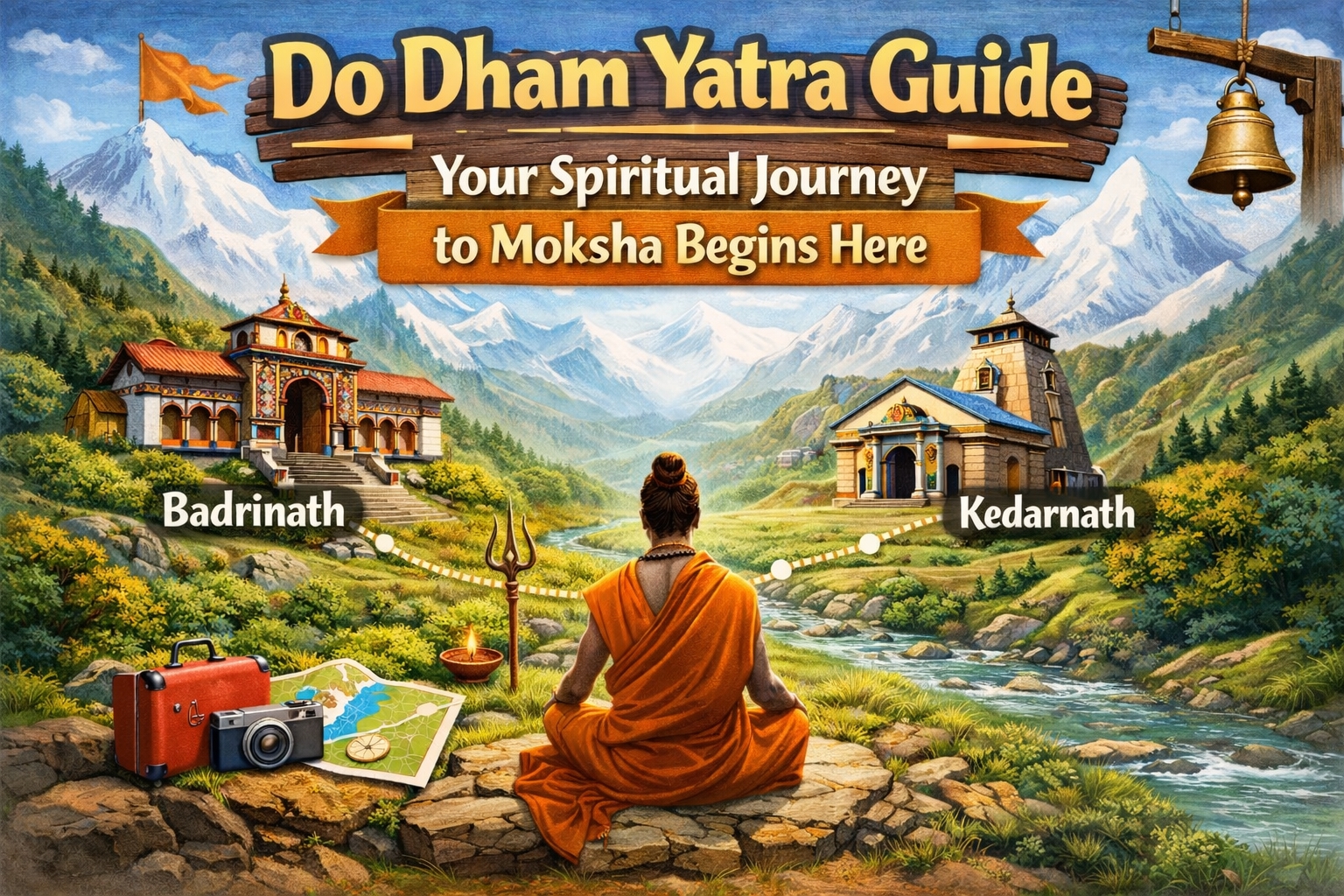
Do Dham Yatra Guide: Your Spiritual Journey to Moksha Begins Here
The Do Dham Yatra, also referred to as the 2 Dham Yatra, is a religious journey that leads pilgrims to two of the most revered temples in the Garhwal Himalayas, namely Kedarnath and Badrinath. Although the Char Dham Yatra is a more extensive journey that leads to four temples (Yamunotri, Gangotri, Kedarnath, and Badrinath), the Do Dham Yatra is preferred by many pilgrims as it leads to two of the most important temples, which is ideal for those who have less time.
This comprehensive guide to the Do Dham Yatra provides you with everything you need—from details about the temples and the best time to visit, to travel routes, a day-by-day itinerary, nearby attractions, accommodation options, essential packing tips, and the benefits of choosing a Do Dham Yatra package for a smooth and well-organized journey
Which Temples Are Included in the Do Dham Yatra?
The Do Dham Yatra is a journey that solely targets two Himalayan shrines in Uttarakhand. These shrines symbolize two strong pillars of the Hindu religion – Lord Shiva and Lord Vishnu. They collectively make a complete spiritual journey.
Kedarnath Temple
Kedarnath Temple is one of the holiest shrines of Lord Shiva and is recognized as one of the twelve Jyotirlingas in India. It is situated at an average height of 3,583 meters in the Garhwal Himalayan ranges. The temple is surrounded by snow-capped mountains and the Mandakini River. The spiritual environment of Kedarnath is associated with the Mahabharata, as it is said that the Pandavas constructed this temple to apologize to Lord Shiva for the Kurukshetra war.
To reach Kedarnath, one needs to be pious and determined, as the trek from Gaurikund or Sonprayag to Kedarnath is 16-22 km long. This trek is also a part of the spiritual cleansing ritual. The temple is made up of huge stone slabs and has been able to withstand harsh weather conditions for so many years. The aarti ceremony performed in the evening at Kedarnath is a spiritual experience in itself. For devotees, a visit to Kedarnath helps them attain liberation and peace.
Badrinath Temple
Badrinath Temple is a highly revered Vaishnav pilgrimage center in India and is dedicated to Lord Vishnu in his form as Badrinarayan. Situated at an average height of 3,133 meters on the banks of the Alaknanda River, the temple is surrounded by the majestic Neelkanth Peak, making it a divine location. As per Hindu mythology, Lord Vishnu performed penance here for thousands of years, and the temple was later restored by Adi Shankaracharya in the 8th century.
The temple contains a black stone image of Lord Vishnu in a meditative pose, which is believed to be self-created (Swayambhu). It is customary for devotees to take a holy dip in the nearby Tapt Kund hot water spring before entering the temple, as it is believed to be spiritually cleansing. The colorful temple front, soothing sound of the river, and cool mountain air make it a divine location. Badrinath is believed to provide spiritual, material, and worldly salvation to devotees. It is also one of the original Char Dham places established in different parts of India, adding to its religious significance.
Together, Kedarnath and Badrinath comprise the holy heart of the 2 Dham Yatra, providing devotees with a unique chance to attain blessings from both Lord Shiva and Lord Vishnu within the same journey.
Best Time to Do Dham Yatra
Selecting the appropriate time for your Do Dham Yatra is highly essential as the Kedarnath and Badrinath temples are open for a limited period of time in a year. The heavy snowfall in the winter season and monsoon weather makes it difficult to decide on the dates for the yatra. The weather in the Himalayan regions keeps fluctuating, and the road conditions also depend on the month you select for your journey.
Though the temples open in April/May and close in October/November, not all months are apt for traveling. Some months are apt for a clear view and smooth darshan, while others can be risky due to landslides or extreme cold weather. The following is a detailed season-wise guide to help you select the apt time for your journey.
Season-Wise Guide for Do Dham Yatra
Quick Summary
-
Best Overall Time: September to October
-
Most Popular Time: May to June
-
Avoid Travel: July to August (monsoon risks)
-
Temples Closed: November to March
Selecting the right season ensures a safer, smoother, and more spiritually fulfilling Do Dham Yatra experience.
Do Dham Yatra Route Map
The traditional Do Dham Yatra map for a road journey typically involves a loop circuit that joins both shrines in a smooth manner:
Haridwar / Rishikesh → Guptkashi → Sonprayag / Gaurikund (Kedarnath Base) → Kedarnath → Guptkashi → Joshimath → Badrinath → Haridwar / Rishikesh.
This helps in a planned journey with halts and visits to nearby confluence points and river ghats.
If you choose to undertake a Do Dham Yatra by helicopter, the journey is shorter and quicker, involving a flight from Dehradun to Phata/Phoolchatti helipad, then to Kedarnath and Badrinath, and back home – typically in 3-4 days.
Day-by-Day Itinerary for Do Dham Yatra from Haridwar
Here’s a practical 6-7-day itinerary most devotees follow for a complete 2-Dham experience:
Day 1: Haridwar / Rishikesh → Guptkashi
Your journey begins early from Haridwar or Rishikesh. The drive takes you through scenic Himalayan foothills.
-
Arrive in Guptkashi and check into a hotel.
-
Rest and acclimatize to the altitude.
Day 2: Guptkashi → Kedarnath (Trek Start)
Depart early to the base point (Sonprayag / Gaurikund). From here, begin the trek to Kedarnath.
-
The trek is approx. 16–18 km.
-
You can take a pony or doli at your own cost or walk.
-
Reach Kedarnath by evening for darshan and attend evening Aarti.
Day 3: Kedarnath → Guptkashi
After a serene early morning darshan, trek back to the base and return to Guptkashi for rest.
-
Enjoy the mountain views.
-
Relax after the devotional day.
Day 4: Guptkashi → Joshimath
Depart toward Joshimath after breakfast. En route, you may visit scenic river confluences and valleys like Rudraprayag and Karnaprayag.
-
Overnight stay in Joshimath.
-
Prepare for Badrinath visit next day.
Day 5: Joshimath / Pipalkoti → Badrinath
Drive to Badrinath Temple early morning.
-
Visit Badrinath Temple.
-
Take a holy dip in the Tapt Kund before darshan.
-
Explore nearby Mana Village and other attractions.
-
Return to Joshimath / Pipalkoti for overnight stay.
Day 6: Badrinath → Haridwar / Rishikesh
Begin the return journey to Haridwar or Rishikesh.
-
Optionally visit Devprayag on your way back.
Nearby Places to Visit Around Kedarnath
Bhairav Temple
This is a small temple, which is at a short walk from the Kedarnath Temple. It is said that Lord Bhairav guards the temple during the winter months when the temple is closed for worship. The valley sight from this point gives a feeling of serenity and expansiveness. This temple is often visited by devotees after their Kedarnath darshan on a Do Dham Yatra.
Rudra Cave
The Rudra Cave is a peaceful meditation cave, which is situated in the temple area. This spot is famous for its silence and spiritual tranquility. Many tourists sit here for a short while to calm their minds after the darshan. This is an easy spot to visit and does not involve a long trek.
Vasuki Tal
Vasuki Tal is a beautiful high-altitude lake, which is situated above Kedarnath. The trekking route is longer and best suited for those who have some extra time and stamina. The snow-capped mountains and the crisp mountain air make this spot a delight for nature lovers on a Do Dham trek.
Chopta
Chopta is a green valley that is associated with the route to Kedarnath. It is commonly known as the “Mini Switzerland of India” because of the open meadows and Himalayan ranges that can be seen from there. The cool climate and pine forests make it a pleasant spot to halt during the Do Dham Yatra.
These spots will increase the beauty and religious significance of your visit to Kedarnath.
Nearby Places to Visit Around Badrinath
Mana Village
Mana Village is situated just a few minutes away from the Badrinath Temple. It is famous as one of the last Indian villages on the border of Tibet. The small houses, tea stalls, and local legends make it an enjoyable halt during the Do Dham Yatra.
Tapt Kund
Tapt Kund is a natural hot water spring in the temple area. Devotees usually touch or take a dip in the hot water before the darshan. It is said to be pure and holds great spiritual significance in the Badrinath tour.
Vyas Gufa
Vyas Gufa is a serene cave associated with sage Ved Vyasa. It has a peaceful and unassuming environment. The cave is easily accessible and gives a spiritual experience to your tour.
Charan Paduka
Charan Paduka is a pious place situated on a small hilltop in Badrinath. It is said to possess the footprints of Lord Vishnu. The easy trek and the scenic valley view calm the devotees during their Do Dham Yatra.
These spots make your Badrinath tour more significant than just the temple darshan.
Accommodation Options During Do Dham Yatra
Pilgrims have a range of stay options at various points along the yatra route.
Common Stay Types:
-
Government Guest Houses / GMVN Lodges
-
Private Hotels and Resorts
-
Dharamshalas and Ashrams
-
Seasonal Tented Camps
Best Areas to Stay:
-
Guptkashi and Sonprayag (near Kedarnath base)
-
Joshimath / Pipalkoti (before Badrinath)
-
Badrinath town itself
Booking your stay well in advance; especially during the peak summer months is strongly recommended.
Things to Pack for Do Dham Yatra
Packing thoughtfully makes a big difference during high-altitude pilgrimages.
Essential Items:
-
Warm Clothing (even in summer)
-
Waterproof Jacket / Rain Gear
-
Comfortable Trekking Shoes
-
ID Proof & Registration Slips (required)
-
Personal Medicines & First Aid
-
Power Bank & Flashlight
Note: Mobile network coverage may be limited in higher regions, so plan accordingly.
Do Dham Yatra Registration & Permits
The Uttarakhand government requires online registration for Kedarnath and Badrinath. You must complete this before travel to ensure smooth temple entry and crowd management.
To Register:
-
Visit: registrationandtouristcare.uk.gov.in
-
Upload Aadhaar & photo
-
Complete registration at least 3 days before trave
-
Carry printed slips throughout the yatra.
Why Choose a Do Dham Yatra Package?
Booking a Do Dham Yatra package, whether road-based or helicopter simplifies logistics and reduces your travel stress. Most packages include transport, accommodation, driver allowance, and assistance at temples.
Benefits:
-
Pre-arranged hotels
-
Experienced local drivers
-
Registration support
-
Emergency assistance
-
Well-planned day-wise itinerary
If you’re new to mountain travel or have elders in your group, choosing a badrinath kedarnath tour package ensures comfort and safety.
Important Travel Tips
-
Start your travel early each day for smoother road navigation.
-
Stay hydrated and rest adequately to avoid altitude sickness.
-
Carry warm layers even while traveling in summer months.
-
Avoid monsoon travel if possible due to landslide risks.
-
Keep a physical copy of your registration slip due to limited network in hills.
Final Words
The Do Dham Yatra guide lays out everything you need to plan your sacred journey to Kedarnath and Badrinath in 2026. With the temples open from April/May to October/November and the route spanning scenic Himalayan landscapes, this spiritual journey rewards devotion with tranquility and divine blessings.
Whether you travel by road or book a Do Dham Yatra tour package, careful preparation will help you experience this pilgrimage with ease and peace. Start your spiritual journey with faith and patience the Himalayas await your arrival.
Frequently Asked Questions for Do Dham Yatra Guide
1. What is Do Dham Yatra, and which temples are included?
The Do Dham Yatra is a sacred pilgrimage in Uttarakhand that includes visits to Kedarnath Temple, dedicated to Lord Shiva, and Badrinath Temple, dedicated to Lord Vishnu. It is considered a shorter yet highly spiritual version of the Char Dham Yatra.
2. What is the best time to visit Do Dham Yatra?
The best time to visit Do Dham Yatra is from May to June and September to October when weather conditions are suitable, and temple routes remain accessible.
3. How many days are required for the Do Dham Yatra from the Haridwar itinerary?
A Do Dham Yatra itinerary from Haridwar usually takes around 5 to 7 days, depending on travel pace, weather conditions, and trekking time at Kedarnath.
4. What is the route map for the Do Dham Yatra?
The common route is Haridwar or Rishikesh → Guptkashi or Sonprayag → Kedarnath → Joshimath → Badrinath → Rishikesh or Haridwar. The journey typically begins with Kedarnath and ends at Badrinath.
5. How difficult is the Kedarnath trek during the Do Dham Yatra?
The Kedarnath trek is moderate in difficulty and covers about 16 to 22 km, depending on the route. Pilgrims can trek on foot or use pony, palki, or helicopter services if needed.
6. Where can we stay during the Do Dham Yatra accommodation options?
Accommodation options include budget hotels, guesthouses, dharamshalas, camps, and premium hotels, depending on location and package type. Stays are available near Guptkashi, Kedarnath, and Badrinath areas.
7. Is a Do Dham Yatra registration or permit required before travel?
Yes, pilgrims must complete official registration before starting the journey. Registration helps authorities manage safety, crowd control, and emergency support during the Yatra.
8. What are the essential things to pack for the Do Dham Yatra?
Carry warm clothing, rain protection, comfortable trekking shoes, personal medicines, valid ID proof, sunscreen, and basic first aid items since weather conditions can change quickly.
9. Which nearby places can be visited during the Do Dham Yatra?
Popular nearby attractions include Mana Village near Badrinath, Vasudhara Falls, Triyuginarayan Temple near Kedarnath, and scenic viewpoints around Joshimath.
10. What travel tips should first-time pilgrims follow for the Do Dham Yatra?
Start preparing physically before travel, stay hydrated, travel slowly to adjust to altitude, follow local guidelines, book accommodations in advance, and keep extra time for weather-related delays.
Read Full Story
UAE