Our Blog & Latest Articles

Discover travel tips, destination guides, inspiring stories, and expert insights for your next journey.

Trending Now

Blog
AdventureFebruary 25, 2026

Ultimate Guide to Trekking in the Himalayas.

Introduction

Trekking in the Himalayas is more than just a journey — it’s a life-changing adventure that blends breathtaking landscapes, cultural richness, and personal challenge. Known as the world’s highest mountain range, the Himalayas offer some of the most spectacular trekking routes on Earth, attracting explorers, nature lovers, and thrill-seekers from around the globe.

From snow-capped peaks and lush valleys to ancient monasteries and remote villages, trekking in this region provides an unforgettable experience that tests your endurance while rewarding you with unmatched natural beauty.

Why Trek in the Himalayas?

The Himalayas offer a unique combination of adventure, spirituality, and natural wonder. Trekkers can experience:

  • Stunning panoramic mountain views

  • Diverse landscapes including forests, glaciers, and alpine meadows

  • Rich cultural encounters with local Himalayan communities

  • Challenging trails suitable for beginners to expert trekkers

  • A deep sense of peace away from modern city life

Whether you seek physical challenge or spiritual rejuvenation, Himalayan trekking delivers both.

Essential Gear for Himalayan Trekking

Proper preparation is key to a safe and enjoyable trekking experience. Here are the essentials:

  • Trekking boots – Durable and comfortable for long journeys

  • Layered clothing – Weather conditions change rapidly at high altitudes

  • Backpack with rain cover – Lightweight and weather-resistant

  • Sleeping bag – Suitable for extreme cold temperatures

  • Trekking poles – Improve stability on steep trails

  • First aid kit & medications – For altitude sickness and minor injuries

  • Navigation tools – Maps, GPS, or trekking guides

Investing in quality gear ensures comfort, safety, and better performance during the trek.


Read Full Story
Blog
Char Dham YatraFebruary 26, 2026

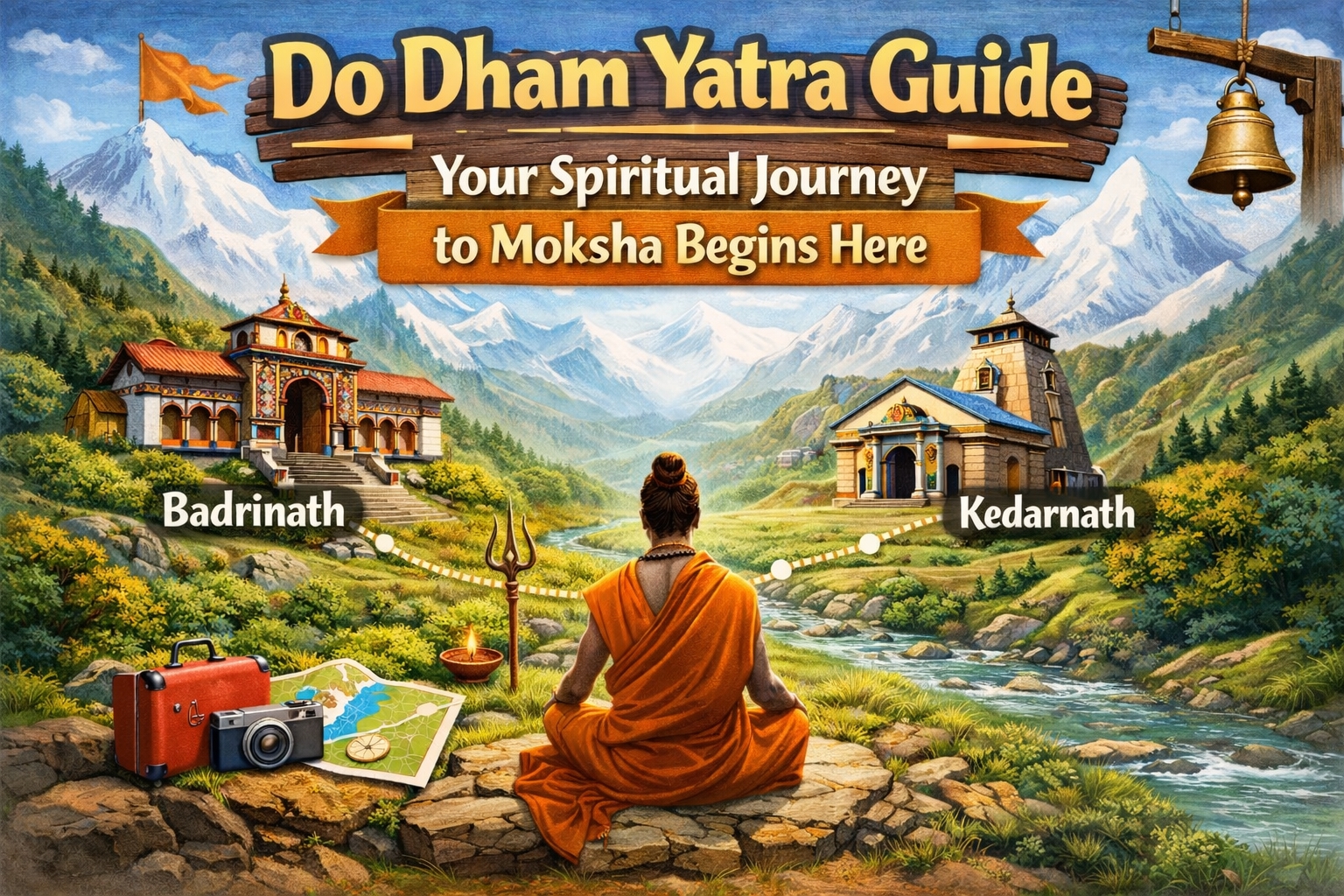
The Char Dham Yatra – Complete Guide to the Sacred 4 Dham of Uttarakhand

The Char Dham Yatra is one of the holiest Hindu pilgrimages in India, attracting millions of devotees every year to the breathtaking Garhwal Himalayas in Uttarakhand. This religious tour of the four holy shrines, Yamunotri, Gangotri, Kedarnath, and Badrinath, is commonly referred to as the Char Dham of Uttarakhand or Chota Char Dham Yatra.


For ages, the devotees have believed that this holy journey cleanses the soul of all sins and brings them closer to moksha (liberation). But now, with the development of roads, helicopter services, and effective Char Dham Yatra packages, this journey has become easier for families, senior citizens, and devotees from India and abroad.


If you are preparing for a Trip to Char Dham Temples, this comprehensive Char Dham Yatra Complete Guide has all the information on origin, tour itinerary, route map, registration procedure, cost analysis, best time to visit, and some valuable travel tips.

The Origin of Char Dham Yatra

The idea of Char Dham was established in the 8th century by the renowned Hindu philosopher and reformer Adi Shankaracharya. He aimed to give a common spiritual identity to India by establishing four holy pilgrimage centers.


The Himalayan trek in Uttarakhand has gained immense popularity over the years and is now referred to as the Chota Char Dham Yatra, which comprises:


  • Yamunotri Temple

  • Gangotri Temple

  • Kedarnath Temple

  • Badrinath Temple


This religious tour is taken in a clockwise manner, starting from Yamunotri and culminating at Badrinath.

About the Char Dham of Uttarakhand

The Char Dham of Uttarakhand, referred to as the Chota Char Dham Yatra, comprises four holy shrines of the Himalayas: the Yamunotri Temple, the Gangotri Temple, the Kedarnath Temple, and the Badrinath Temple. Each of these temples has a rich spiritual significance and is associated with a holy river and a prominent Hindu god.

1. Yamunotri Dham

At an altitude of 3,293 meters, the Yamunotri Temple is dedicated to the Goddess Yamuna and is the source of the holy river of the Yamuna. It is also believed to save devotees from premature death and cleanse their souls. The temple contains a black marble statue of the goddess and is also known for its hot water springs, where devotees take ritual baths before visiting the temple.

2. Gangotri Dham

At an altitude of 3,042 meters, the Gangotri Temple is dedicated to Goddess Ganga. According to legend, the River Ganga, the holy river of Hinduism, fell from the heavens at this sacred place. The temple is surrounded by snow-capped granite mountains and is known for its serene environment.

3. Kedarnath Dham

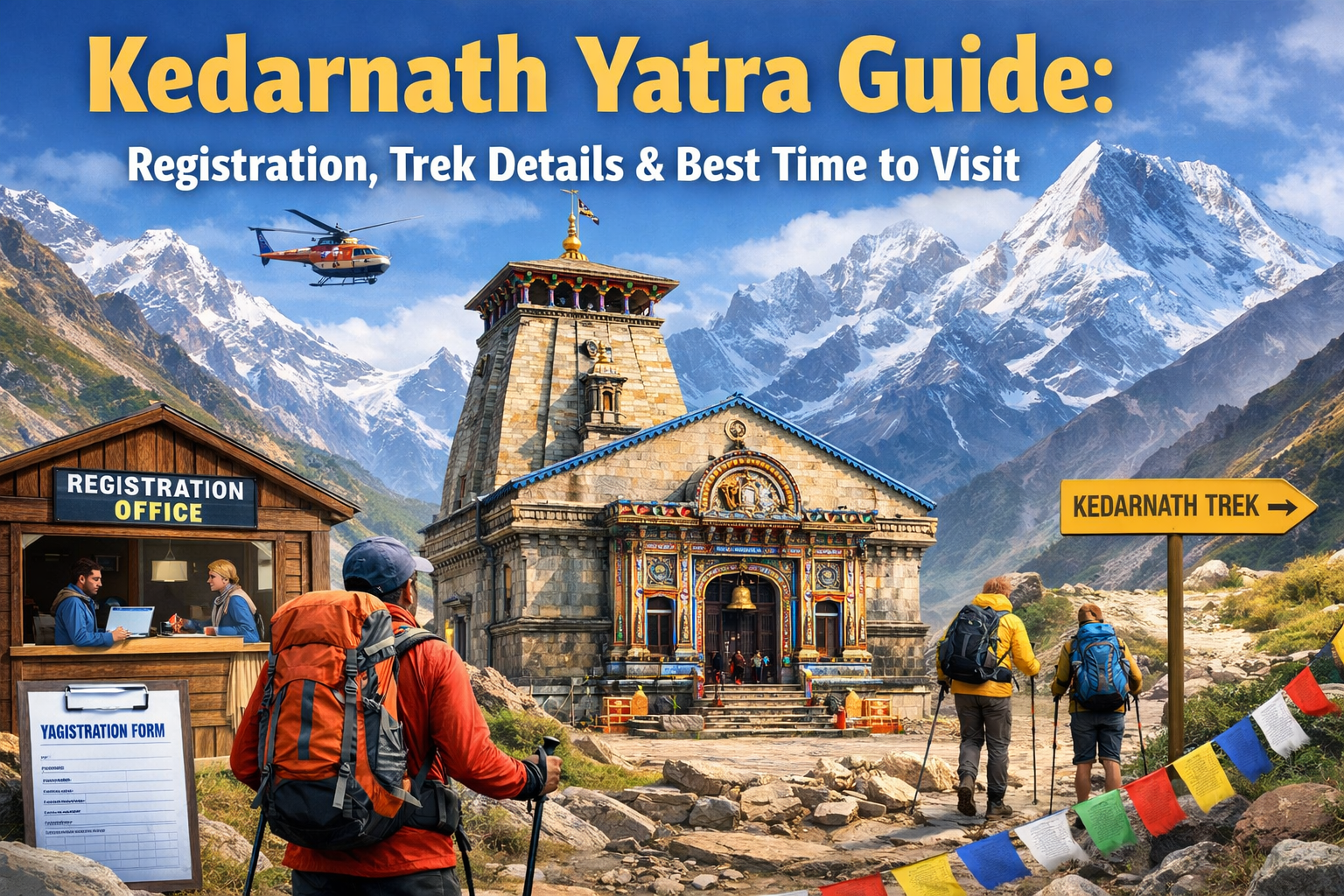
Kedarnath Temple, at 3,583 meters, is one of the 12 Jyotirlingas of Lord Shiva. It has a very strong link with the epic Mahabharata and the Pandavas. It is also believed to be the most pious and spiritual experience of the yatra. Devotees have to trek 18-20 km from Gaurikund to reach Kedarnath and take blessings from Lord Shiva. The temple is surrounded by massive snow-capped Himalayan peaks, and the spiritual and peaceful environment of the temple makes the journey very tough and spiritual.

4. Badrinath Dham

Badrinath Temple is situated at 3,133 meters on the banks of the River Alaknanda. It is a temple of Lord Vishnu and one of the most revered Vaishnav temples in India. It is also the last destination of the Char Dham Yatra. The temple contains a black idol of Lord Badrinarayan in a meditative position. It is a tradition to take a dip in the Tapt Kund before having darshan.

Chota Char Dham Yatra Season

The Char Dham temples are closed for a period of six months in a year because of harsh winter conditions.


  • Opening Time: April/May (Akshaya Tritiya)

  • Closing Time: October/November (Diwali)

  • Peak Season: May and June (heavy rush and pleasant weather)

  • Best Season: September and October (clear skies and fewer crowds)

  • Rainy Season: July and August (heavy rainfall and landslides)


The weather in the region is unpredictable. Even during the summer season, the night temperature at Kedarnath can be below freezing.

Best Time to Visit Char Dham Yatra

The best time to visit, depending on your preference for travel:

  • For comfortable weather: May–June

  • For peaceful darshan and fewer crowds: September–October

  • Avoid: Monsoon season due to landslide risks

Proper planning ensures a smooth and spiritually fulfilling experience.

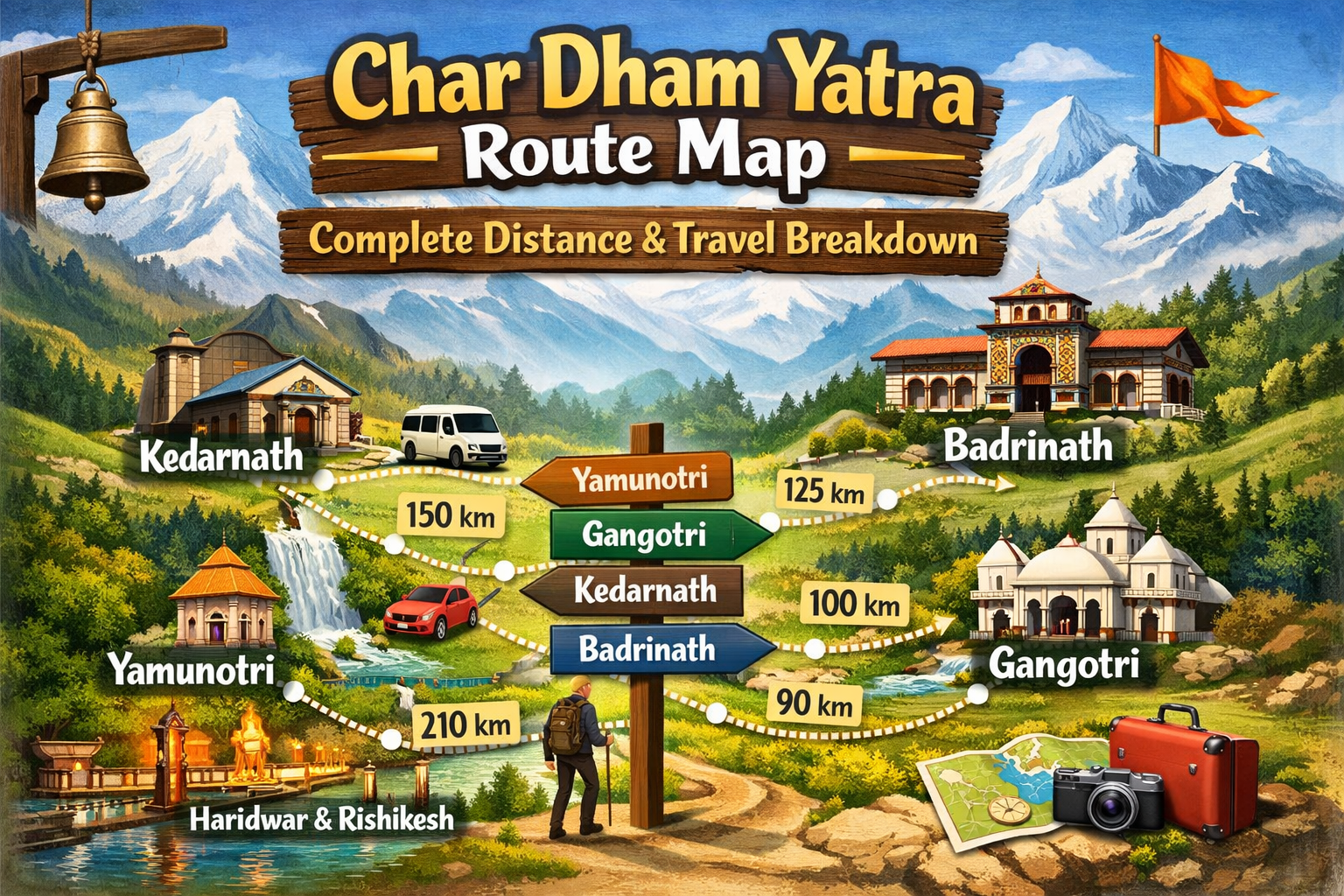
Char Dham Yatra Route Map

The traditional Char Dham Yatra by road follows this sequence:

Haridwar/Rishikesh → Barkot → Yamunotri → Barkot → Uttarkashi → Gangotri → Uttarkashi → Guptkashi/Sonprayag → Gaurikund → Kedarnath → Gaurikund → Guptkashi/Sonprayag → Badrinath → Haridwar/Rishikesh

  • Total distance covered: approximately 1,500–1,600 km

  • Duration: 10–12 days

The route passes through scenic Himalayan valleys, rivers, and spiritual towns.

Detailed Char Dham Itinerary from Haridwar

A well-planned Char Dham itinerary from Haridwar ensures that your pilgrimage remains smooth, spiritually enriching, and free from last-minute travel hassles. Since Haridwar is one of the main starting points for the yatra, most pilgrims prefer beginning their sacred journey from here. A properly structured schedule helps you cover Yamunotri, Gangotri, Kedarnath, and Badrinath in the traditional sequence, allowing adequate time for travel, rest, and temple darshan.

Day 1: Haridwar – Barkot (via Dehradun & Mussoorie)

Your pious tour starts early in the morning from Haridwar. The journey will take you through Dehradun and the popular hill station of Mussoorie. If time and traffic conditions allow, you can visit the stunning Kempty Falls. Proceed to Barkot, situated on the banks of the river Yamuna. On arrival, check into the hotel, relax, have dinner, and get ready for the first dham destination.

Day 2: Barkot – Yamunotri – Barkot

Early morning (around 4:00 AM) start your journey to Janki Chatti (approx. 42 km away). From there, trek to the Yamunotri Temple on foot, pony, or doli (to be arranged at your own cost). On arrival, take a dip in the sacred Jamnabai Kund and visit the temple. After the darshan, return to Janki Chatti and then to Barkot for an overnight stay.

Day 3: Barkot – Uttarkashi

After breakfast, proceed to Uttarkashi (approx. 95 km). On the way, visit Prakateshwar Mahadev Temple. On arrival, check into your hotel and take some rest. Uttarkashi is a religiously significant place, located on the banks of the Bhagirathi River.

Day 4: Uttarkashi – Gangotri – Uttarkashi

Early morning departure (approx. 5:00 AM) for Gangotri Temple (100 km each way). Take a dip in the River Ganga (Bhagirathi at its source) and visit the temple darshan. On the return journey, visit Kashi Vishwanath Temple in Uttarkashi before returning to your hotel.

Day 5: Uttarkashi – Guptkashi

After breakfast, proceed to Guptkashi (approx. 223 km, 9-10 hours). The journey is full of breathtaking views of the Himalayas. On arrival, check into your hotel and take some rest for the next day’s journey to Kedarnath.

Day 6: Guptkashi – Kedarnath

Early morning departure for Sonprayag/Sitapur. From there, start the 17 km trek to Kedarnath Temple. Devotees can either trek or take ponies/doli (at their own cost). In the evening, visit Shankaracharya Samadhi and attend the divine aarti at the temple. Overnight stay at Kedarnath (arranged by yourself).

Day 7: Kedarnath – Guptkashi

Early morning darshan at Kedarnath Temple. After darshan, trek back to Sonprayag and then drive to Guptkashi. Check in at the hotel and take a relaxing break after the tiring trek.

Day 8: Guptkashi – Joshimath / Pipalkoti

Post breakfast, proceed to Joshimath or Pipalkoti. On arrival, check-in at the hotel and spend a relaxing evening in the midst of the Himalayas.

Day 9: Badrinath & Mana Village Sightseeing

Visit Badrinath Temple. Take a holy dip in Tapt Kund prior to temple darshan. Later, visit Mana Village (the last village before the Indo-Tibetan border), Vyas Gufa, Ganesh Gufa, Bhim Pul, and the Saraswati River's origin point. Return to the hotel for dinner and overnight stay.

Day 10: Joshimath – Rishikesh – Haridwar

Post breakfast, proceed to Rishikesh (150 km). En route, visit Devprayag, the holy confluence of Alaknanda and Bhagirathi Rivers. In Rishikesh, visit Laxman Jhula, Ram Jhula, Geeta Bhavan, and witness the evening Ganga Aarti at Triveni Ghat. Later, proceed to Haridwar, thus concluding the Char Dham Yatra.

Option: Char Dham Yatra by Helicopter

For pilgrims with limited time, the Char Dham Yatra by helicopter completes the journey in 4–6 days. It includes VIP darshan, premium accommodation, minimal trekking, and enhanced comfort, ideal for senior citizens and luxury travelers.

Char Dham Yatra Registration

Registration is mandatory for all pilgrims as per the guidelines of the Uttarakhand government.

Registration Options:

  • Online registration portal

  • Offline counters at key locations

Required Documents:

  • Valid government ID

  • Mobile number

  • Travel details

Biometric verification ensures safety tracking throughout the pilgrimage.

Char Dham Yatra Cost Breakdown

The cost of a Char Dham Yatra package varies based on comfort level and mode of travel.

Budget Package (By Road)

  • ?25,000 – ?35,000 per person

  • Includes transport, accommodation, and meals.

Deluxe or Family Package

  • ?40,000 – ?65,000 per person

  • Includes better hotels, upgraded vehicles, and priority assistance.

Char Dham Yatra by Helicopter

  • ?1,80,000 – ?2,50,000 per person

  • Includes helicopter transfers, premium stay, VIP darshan.

A customized Char Dham Yatra family package ensures comfortable travel for elders and children.

Char Dham Yatra by Road vs Helicopter

Whether to opt for a Char Dham Yatra by road or a Char Dham Yatra by helicopter is largely dependent on your budget, availability of time, health, and personal preferences. While the Char Dham Yatra by road provides a very immersive experience in the spiritual and scenic aspects of the Himalayan valleys, the helicopter tour provides comfort, speed, and convenience. 


Both options are available for devotees to undertake the sacred pilgrimage to the Yamunotri Temple, Gangotri Temple, Kedarnath Temple, and Badrinath Temple.


Below is a detailed comparison to help you decide:


Feature

Char Dham Yatra by Road

Char Dham Yatra by Helicopter

Duration

10–12 days

4–6 days

Cost

Budget-friendly

Premium

Travel Experience

Scenic Himalayan drive through valleys and rivers

Aerial views of the Himalayas

Physical Effort

Includes long drives and the Kedarnath trek

Minimal trekking required

Best For

Families, groups, spiritual seekers

Senior citizens, luxury travelers

Comfort Level

Standard to deluxe (depending on package)

High comfort with VIP darshan

Spiritual Feel

Traditional and immersive

Fast yet spiritually fulfilling

Ultimately, the choice depends on your priorities. If you value a slow, traditional journey and budget travel, the road option is perfect. If comfort, time efficiency, and convenience are your focus, the helicopter yatra is the best choice.

Do’s and Don’ts for Char Dham Yatra

Do’s:

  • Carry warm clothing and rain gear

  • Stay hydrated

  • Follow temple customs

  • Keep emergency medicines

  • Book your package in advance

Don’ts:

  • Avoid alcohol and non-vegetarian food

  • Do not litter

  • Avoid risky shortcuts during trekking

  • Do not ignore altitude sickness symptoms

Responsible travel ensures safety and preserves the fragile Himalayan ecosystem.

Why Book a Char Dham Yatra Package from Kinghills Travels?

Organizing a Char Dham Yatra on your own may seem like a feasible task, but in fact, it involves a lot of complexities, such as high altitude, unavailability of accommodations, unpredictable weather, and government restrictions. The Himalayan region is unpredictable, and sudden changes such as hotel unavailability or transport problems can easily hamper your Char Dham Yatra. Therefore, to make your Char Dham Yatra a safe and successful one, it is always better to choose a 4 Dham Yatra package from a professional travel agency such as Kinghills Travels.

The agency has extensive experience in organizing Char Dham Yatras. Kinghills Travels are aware of the route, temple timings, registration procedures, and seasonal difficulties. Whether you are traveling with your family, elderly people, or a group, a planned Char Dham Yatra package makes a lot of difference.

Here’s what you can expect when booking your Char Dham Yatra package with Kinghills Travels:

  • Pre-arranged quality hotels at every destination

  • Experienced mountain drivers trained for Himalayan terrain

  • 24/7 customer assistance throughout the journey

  • Emergency assistance when needed

  • Seamless itinerary planning for darshan timings and travel schedules

  • Assistance with Char Dham registration and permits

Professional planning not only reduces stress but also enables you to focus entirely on your spiritual experience. From Yamunotri to Badrinath, every detail is carefully managed so that you can undertake this sacred pilgrimage with peace of mind and devotion.

Final Words

Through the divine Himalayas. Right from the spiritual waters of Yamunotri and Gangotri to the divine presence of Kedarnath and the calmness of Badrinath, every step takes you closer to your faith and peace.


No matter whether you opt for the classic Char Dham Yatra by road or the luxurious Char Dham Yatra by helicopter, a proper plan will help you have a safe, comfortable, and pious experience.


If you are planning to book a Char Dham Yatra package, make sure to select a reliable travel companion to make your religious tour simply divine and smooth.

Frequently Asked Questions (FAQs)

1. What is Char Dham Yatra, and which temples are included?

Char Dham Yatra is one of the most sacred Hindu pilgrimages in India, located in Uttarakhand. It includes visits to four holy temples: Yamunotri, Gangotri, Kedarnath, and Badrinath. These shrines are dedicated to Goddess Yamuna, Goddess Ganga, Lord Shiva, and Lord Vishnu, respectively. Completing the Char Dham Yatra is believed to cleanse sins and bring spiritual peace.

2. What is the best time to visit Char Dham Yatra?

The best time to visit Char Dham Yatra is from May to June and September to October. During these months, weather conditions are relatively stable, and routes remain accessible. The monsoon season from July to August is usually avoided due to heavy rainfall and landslide risks.

3. How many days are required for the Char Dham Yatra itinerary?

A complete Char Dham Yatra itinerary typically requires 10 to 12 days by road. The duration may vary depending on the travel starting point, weather conditions, and chosen travel mode, such as road travel or helicopter services.

4. How to register for Char Dham Yatra online?

Pilgrims must complete online registration through the official Uttarakhand government portal. Registration involves providing personal details, uploading ID proof, selecting travel dates, and downloading the Yatra registration pass, which is mandatory for temple visits.

5. What is the Char Dham Yatra route map and travel order?

The traditional travel order followed during Char Dham Yatra is Yamunotri first, then Gangotri, followed by Kedarnath, and finally Badrinath. This sequence follows religious traditions and geographic convenience, starting from west to east in Uttarakhand.

6. How much does a Char Dham Yatra package cost in India?

The cost of a Char Dham Yatra package in India usually ranges between INR 30,000 to INR 80,000 per person for road tours, depending on accommodation type, inclusions, and travel starting city. Luxury and helicopter packages cost significantly more.

7. Is the Char Dham Yatra by helicopter worth it, and how much does it cost?

Char Dham Yatra by helicopter is worth considering for travelers with limited time or physical constraints. It reduces travel duration and avoids long road journeys and treks. Helicopter packages generally cost between INR 1.8 lakh to INR 2.5 lakh per person, depending on services and duration.

8. Can senior citizens do the Chota Char Dham Yatra safely?

Yes, senior citizens can safely complete the Chota Char Dham Yatra with proper planning. Choosing comfortable accommodations, taking rest days, consulting a doctor before travel, and using helicopter or pony services for the Kedarnath trek can make the journey easier.

9. What documents are required for Char Dham Yatra registration?

Travelers typically need a valid government ID such as an Aadhaar Card, Voter ID, Passport, or Driving License. Mobile number verification and registration confirmation are also required during the Yatra.

10. Which is better Char Dham Yatra by road or by helicopter?

Char Dham Yatra by road is ideal for pilgrims who want a traditional spiritual journey and scenic Himalayan experience. Helicopter travel is better for those with limited time, elderly travelers, or anyone looking for a more comfortable and faster option. The best choice depends on budget, health, and travel preferences.

Read Full Story

Pick top destinations for your next holiday

img

Himachal Pradesh

70k Customers Visited
img

Jammu and Kashmir

25k Customers Visited
img

Kerala

14k Customers Visited
img

Uttarakhand

60k Customers Visited
Subscribe

Our Newsletter

Stay informed about exciting destinations and exclusive travel deals.

Download

Mobile App

Download Kinghills Travels App to Book Your Trip With Exciting Offers.