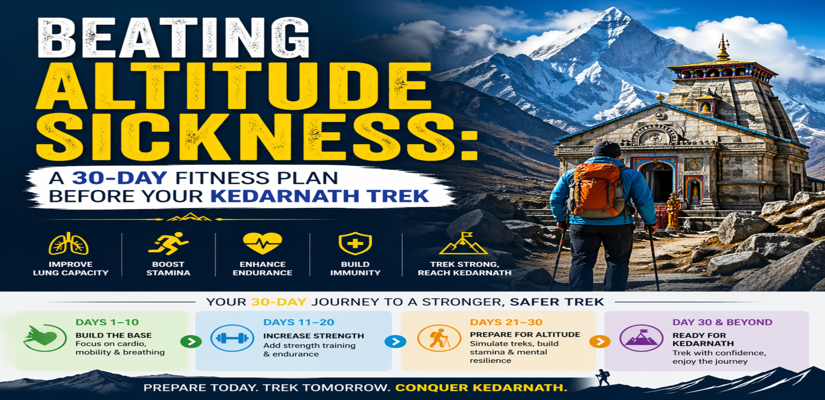
Planning a spiritual journey to Kedarnath is a dream for many, but turning that dream into a comfortable and successful experience requires more than just bookings and enthusiasm. While many travelers rely on kedarnath yatra tour packages to handle transportation, accommodation, and itinerary planning, one crucial factor often gets overlooked—physical preparedness. The Kedarnath trek is not just a walk; it’s a demanding uphill journey through changing terrain and thinning oxygen levels. Without proper fitness, even the most well-organized trip can become exhausting and overwhelming.
Many first-time pilgrims assume that booking the Kedarnath yatra tour packages means everything is sorted. However, once you begin the trek from Gaurikund, your physical strength, stamina, and mental resilience become the deciding factors of your journey. This is where kedarnath trek preparation becomes essential. With a focused fitness plan and the right mindset, you can not only complete the trek comfortably but also fully enjoy the spiritual experience it offers.
Understanding the Kedarnath Trek: Distance & Difficulty
The Kedarnath trek is a breathtaking journey through the Garhwal Himalayas, but it is equally demanding on the body and mind. This sacred route is not just a walk to a temple; it’s a gradual ascent into high-altitude terrain where every step requires effort, control, and endurance. Covering approximately 16–18 kilometers one way, the trek begins from Gaurikund and steadily climbs to an altitude of around 3,583 meters (11,755 feet). While the distance may seem manageable on paper, the real challenge lies in the continuous uphill climb, which puts constant pressure on your legs, lungs, and overall stamina.
As you move forward on the trail, the environment begins to change noticeably. The air becomes thinner, temperatures drop, and your breathing rate increases. What makes this trek particularly challenging is not just the length but the combination of steep gradients, uneven stone paths, and narrow sections where maintaining balance becomes crucial. Unlike flat terrain, your muscles are engaged throughout the journey, especially during long uphill stretches that can feel never-ending if you are not physically prepared.
Another factor that adds to the difficulty is the unpredictable mountain weather. You might start your trek under clear skies, only to encounter cold winds, fog, or sudden rainfall within a few hours. These rapid weather changes in Kedarnath can drain your energy faster and make the trail more slippery and difficult to navigate. Additionally, the drop in oxygen levels at higher altitudes means your body has to work harder to perform even basic movements, leading to quicker fatigue and breathlessness.
Many trekkers begin their journey with excitement and confidence, but often underestimate how demanding the route can be. Without proper Kedarnath trek preparation, even experienced walkers can find themselves struggling midway. The terrain requires not only physical strength but also mental resilience, as long stretches of climbing can test your patience and determination. Taking the time to understand the trek in advance helps you set realistic expectations and prepares you to handle these challenges more effectively.
-
Distance: 16–18 km (one way)
-
Duration: 6–8 hours, depending on pace and fitness level
-
Altitude: 3,583 meters (11,755 ft)
-
Terrain: Steep climbs, uneven stone paths, and rocky sections
-
Weather: Cold, windy, and highly unpredictable
-
Oxygen levels: Gradually decrease as altitude increases
-
Difficulty level: Moderate to challenging for beginners
-
Key challenge: Continuous incline with limited flat resting stretches
Why Physical Fitness Matters for Kedarnath Trek
Physical fitness is the backbone of a successful and comfortable Kedarnath journey. Without proper fitness for the Kedarnath Yatra, your body may struggle to handle the combined challenges of long-distance walking, steep uphill climbs, cold temperatures, and reduced oxygen levels at higher altitudes. Many pilgrims assume that faith and determination alone will help them complete the trek, but the reality is quite different. The Kedarnath route continuously tests your stamina, breathing capacity, and muscle strength, especially during extended uphill stretches where even a few steps can feel exhausting if you are not prepared.
As the trek progresses, your body begins to experience fatigue much faster due to the drop in oxygen levels and increased physical effort. This often leads to breathlessness, muscle soreness, and a significant dip in energy levels. Without prior preparation, these challenges can become overwhelming, forcing you to take frequent breaks or even stop midway. This is why a structured Kedarnath yatra fitness plan is essential. It conditions your body to adapt gradually to physical stress and ensures you can sustain energy throughout the journey.
A well-planned fitness routine strengthens your muscles, improves cardiovascular health, and enhances lung capacity, all of which are crucial for trekking at high altitude. It also helps your body use oxygen more efficiently, reducing the chances of dizziness and exhaustion. When you are physically fit, you can maintain a steady pace, recover quickly from exertion, and enjoy the scenic beauty and spiritual essence of the journey without constantly battling discomfort. In simple terms, good fitness transforms the trek from a struggle into a fulfilling and memorable experience.
-
Improves stamina and overall endurance
-
Reduces the risk of fatigue, cramps, and injuries
-
Enhances breathing efficiency at higher altitudes
-
Helps maintain a steady and sustainable pace
-
Supports better oxygen utilization in low-oxygen conditions
-
Builds strength for handling steep and uneven terrain
-
Increases confidence and mental resilience
-
Makes the overall trekking experience more enjoyable
30-Day Kedarnath Trek Fitness Challenge
A well-structured 30-day Kedarnath trek fitness challenge is one of the smartest and most practical ways to prepare your body for the demands of this high-altitude pilgrimage. Instead of jumping into intense workouts that may lead to fatigue or injury, this plan focuses on gradual progression, allowing your body to adapt naturally over time. The Kedarnath trek requires a combination of stamina, leg strength, cardiovascular endurance, and breathing efficiency. This 30-day approach ensures that all these aspects are developed step by step, making your preparation both safe and effective.
The first week is all about building consistency and activating your body. If you are not used to daily physical activity, this phase helps you ease into a routine without overwhelming your muscles. The second week introduces slightly higher intensity, especially through longer walks and stair climbing, which closely mimics the uphill nature of the trek. By the third week, your body is ready for strength training and longer endurance sessions, helping you build the muscle power needed for steep ascents. Finally, the fourth week focuses on peak readiness, where you simulate real trekking conditions by walking longer distances and carrying a light backpack. This not only prepares your body physically but also mentally conditions you for the actual journey.
Consistency is the key throughout this challenge. Even on days when you feel low on motivation, sticking to your routine will gradually build your stamina and confidence. It’s equally important to combine physical training with proper hydration, balanced nutrition, and adequate rest. Recovery days are not a sign of weakness; they are essential for muscle repair and overall improvement.
By the end of these 30 days, your body will feel stronger, your breathing more controlled, and your endurance significantly improved, making the Kedarnath trek preparation far more effective.
Week-wise Breakdown of the Fitness Plan
Week 1: Building the Base
Focus on light activity to develop a habit and prepare your body for upcoming intensity.
-
Walk 3–4 km daily at a comfortable pace
-
Include basic stretching before and after walking
-
Practice 5–10 minutes of breathing exercises
-
Avoid overexertion and focus on consistency
Week 2: Increasing Endurance
Start pushing your limits slightly by increasing distance and adding incline training.
-
Walk 5–6 km daily
-
Include 10–15 minutes of stair climbing
-
Add brisk walking intervals
-
Continue breathing exercises regularly
Week 3: Strength & Stamina Boost
This phase builds muscle strength and prepares your body for longer trekking hours.
-
Walk 7–8 km daily
-
Add strength exercises (squats, lunges, planks)
-
Include 30–40 minutes of cardio sessions
-
Focus on posture and controlled breathing
Week 4: Peak Preparation
Simulate real trekking conditions to prepare both physically and mentally.
-
Walk 10–12 km at least 2–3 times a week
-
Carry a light backpack (3–5 kg) during walks
-
Practice uphill walking or incline training
-
Continue breathing and stretching routines
Additional Key Elements
-
Daily breathing exercises to improve lung capacity
-
At least 1–2 rest days per week for recovery
-
Stay hydrated throughout the day
-
Maintain a balanced diet rich in protein and carbohydrates
-
Gradually increase intensity instead of sudden jumps
By following this structured plan, you are not just preparing your body; you are building the confidence and resilience needed to complete the Kedarnath trek comfortably and safely.
Stamina and Endurance Building for Kedarnath Trekking
Stamina is the foundation of a successful Kedarnath journey, especially when you are covering long distances on steep and demanding terrain. Without proper stamina training for trekking, your body will tire quickly, making the journey feel far more difficult than it actually is.
Unlike gym workouts or short bursts of activity, trekking requires you to sustain energy for several continuous hours, often in challenging conditions like uphill climbs and reduced oxygen levels. This is why endurance becomes more important than speed. You don’t need to be fast; you need to be consistent.
Building stamina is a gradual process that improves with regular effort and discipline. It involves training your body to use energy efficiently so that you don’t feel exhausted after a few kilometers. Activities like long-distance walking and cardio exercises help strengthen your heart and muscles, allowing you to maintain a steady pace throughout the trek. Over time, your body adapts to longer durations of physical activity, and tasks that once felt tiring begin to feel manageable.
Consistency is the most important factor here. Even moderate daily activity can significantly improve your endurance if done regularly. At the same time, it’s important to challenge yourself by slightly increasing your intensity each week.
However, avoid pushing your limits too aggressively, as overexertion can lead to fatigue or injury. The goal is to strike a balance between effort and recovery, allowing your body to grow stronger without unnecessary strain.
-
Long-distance walking sessions to build sustained endurance
-
Interval walking (alternating between fast and slow pace)
-
Light jogging or running to improve cardiovascular strength
-
Cycling to enhance stamina without putting stress on joints
-
Maintaining a balanced diet rich in carbohydrates and protein
-
Staying hydrated to support energy levels and recovery
-
Gradual increase in workout intensity over time
-
Taking adequate rest to allow muscle recovery and growth
Lung Capacity and Breathing Exercises
Breathing becomes noticeably more difficult as you gain altitude during the Kedarnath trek, which is why lung capacity exercises for trekking should be a core part of your preparation. At higher elevations, the air is thinner and contains less oxygen, forcing your body to work harder to meet its energy demands. This often leads to faster breathing, fatigue, and a feeling of breathlessness, especially during steep climbs. If your lungs are not trained to handle this change, even short distances can feel exhausting.
Improving your lung capacity allows your body to take in and utilize oxygen more efficiently, which directly impacts your stamina and endurance. When your breathing is controlled and effective, your heart doesn’t have to overwork, and your muscles receive a steady oxygen supply. This not only reduces fatigue but also helps you maintain a steady pace throughout the trek. With regular practice, you’ll notice that your breathing becomes deeper, calmer, and more synchronized with your movement.
The good part is that you don’t need any special equipment to train your lungs; just a few simple techniques practiced consistently can bring noticeable improvements. Breathing exercises also have the added benefit of calming your mind, reducing anxiety, and improving focus, which is equally important during long treks.
Practicing these daily prepares your body to handle the stress of high altitude and makes your overall trekking experience smoother and more comfortable.
-
Deep diaphragmatic breathing to increase oxygen intake
-
Anulom Vilom (alternate nostril breathing) for better lung control
-
Slow and controlled breathing to regulate airflow
-
Breath-holding exercises to improve lung strength
-
Practice for 10–15 minutes daily for best results
-
Combine with meditation to enhance focus and relaxation
-
Focus on rhythmic breathing while walking or climbing
-
Gradually increase duration as your capacity improves
Walking and Cardio Training Routines
Walking forms the backbone of the Kedarnath trek, which makes it the most important activity to focus on during your preparation. Since the entire journey involves continuous walking, often on steep inclines, your training should closely mimic these conditions.
A well-planned cardio workout for trekking not only strengthens your heart but also improves your overall endurance, helping your body perform efficiently under prolonged physical stress. When your cardiovascular system is strong, you’re able to maintain a steady pace without getting tired too quickly, even in challenging conditions.
Cardio training plays a crucial role in preparing your body for sustained activity over several hours. It improves blood circulation, enhances oxygen delivery to your muscles, and builds the stamina needed for long-distance trekking. Instead of relying on a single type of exercise, incorporating a variety of cardio activities helps train different muscle groups and prevents monotony.
This variety also ensures that your body becomes adaptable to different types of physical stress, which is exactly what you’ll face during the trek.
Consistency is key when it comes to cardio workouts. Even moderate daily sessions can significantly improve your fitness level over time. As your stamina builds, you can gradually increase the intensity and duration of your workouts.
The goal is not to exhaust yourself but to steadily improve your endurance so that your body becomes comfortable with prolonged effort. With the right approach, cardio training can make the Kedarnath trek feel far more manageable and less physically draining.
-
Brisk walking daily to build a strong base for trekking
-
Incline or hill walking to simulate uphill conditions
-
Stair climbing workouts for leg strength and endurance
-
Cycling to improve cardiovascular fitness with low joint impact
-
Skipping rope to boost stamina and coordination
-
30–45 minutes of cardio sessions at least 5 days a week
-
Gradual increase in intensity and duration
-
Maintain proper posture and breathing during workouts
High-Altitude Challenges and Adaptation
High altitude is one of the most demanding aspects of the Kedarnath trek, and it often catches trekkers off guard if they are not properly prepared. As you ascend towards higher elevations, the air becomes thinner, meaning the oxygen level decreases significantly. This forces your body to work harder to supply oxygen to your muscles and vital organs. As a result, you may start experiencing symptoms like fatigue, breathlessness, dizziness, or even mild headaches. Without proper high altitude fitness preparation, these challenges can become overwhelming and may affect your ability to continue the trek comfortably.
The key to handling high altitude lies in understanding how your body reacts and giving it enough time to adapt. Unlike physical fatigue, altitude-related discomfort cannot be pushed through with sheer willpower. Your body needs gradual exposure to lower oxygen levels so it can adjust naturally. This process, known as acclimatization, plays a crucial role in ensuring a safe and successful trek. Moving at a steady pace, taking regular breaks, and avoiding sudden exertion are essential practices that help your body cope with altitude changes.
Hydration is another critical factor in altitude adaptation. At higher elevations, your body tends to lose fluids more quickly, which can worsen symptoms like fatigue and headaches. Drinking enough water helps maintain proper circulation and oxygen delivery throughout your body. Additionally, staying calm and maintaining controlled breathing can reduce the stress on your lungs and improve your overall comfort during the trek.
It’s also important to listen to your body at all times. Ignoring early signs of discomfort or pushing yourself too hard can increase the risk of altitude sickness. Taking things slow, respecting your limits, and following basic precautions can make a significant difference in how your body responds to the environment. With the right approach and preparation, you can adapt to high altitude more effectively and enjoy the journey without unnecessary strain.
-
Reduced oxygen levels make breathing more difficult
-
Increased fatigue due to lower oxygen supply
-
Risk of dizziness, nausea, and headaches
-
Need for gradual acclimatization to adjust properly
-
Importance of staying well-hydrated
-
Avoid overexertion and maintain a steady pace
-
Take regular breaks to allow recovery
-
Practice controlled breathing to improve oxygen intake
Altitude Sickness Prevention Tips
Altitude sickness is one of the most common concerns during the Kedarnath trek, and it can affect anyone, regardless of age, experience, or fitness level. As you ascend to higher elevations, your body is exposed to lower oxygen levels, which can trigger symptoms like headaches, nausea, fatigue, and dizziness. The important thing to understand is that altitude sickness is not a sign of weakness; it’s simply your body reacting to a new environment. However, with the right approach and awareness, you can significantly reduce the risk and keep your journey safe.
Following simple yet effective altitude sickness prevention tips can make a huge difference in how your body adapts. One of the most important habits is maintaining a steady and controlled pace throughout the trek. Walking too fast or pushing yourself unnecessarily can put extra strain on your body and increase the chances of discomfort. Instead, focus on slow, consistent movement that allows your body to adjust gradually. Listening to your body is crucial. If you feel tired or breathless, it’s a signal to slow down or take a break.
Hydration also plays a key role in preventing altitude sickness. At higher altitudes, your body loses fluids more quickly, which can worsen symptoms like headaches and fatigue. Drinking enough water helps maintain proper oxygen circulation and keeps your energy levels stable. Along with hydration, your diet matters too. Eating light, nutritious meals provides your body with the energy it needs without overloading your system.
Another important factor is avoiding substances like alcohol and smoking, which can interfere with oxygen absorption and worsen altitude-related symptoms. Being aware of early warning signs, such as persistent headaches, dizziness, or unusual fatigue, allows you to take timely action. In more serious cases, descending to a lower altitude is the safest and most effective solution.
-
Stay hydrated by drinking water regularly
-
Avoid alcohol and smoking during the trek
-
Walk at a steady, controlled pace
-
Take regular short breaks to rest
-
Eat light, nutritious, and energy-rich food
-
Recognize early symptoms like headache or dizziness
-
Do not ignore warning signs from your body
-
Descend to a lower altitude if symptoms worsen
Tips to Avoid Fatigue and Breathlessness
Fatigue and breathlessness are among the most common challenges faced during the Kedarnath trek, especially for first-time trekkers or those who are not fully prepared. The combination of long walking hours, steep inclines, and reduced oxygen levels can quickly drain your energy if not managed properly. However, the good news is that with the right approach, you can control these issues and make your journey far more comfortable. The key lies in managing your energy wisely rather than exhausting yourself early in the trek.
One of the most effective strategies is to maintain a consistent and sustainable pace. Many trekkers make the mistake of starting too fast out of excitement, only to feel exhausted within a few kilometers. Instead, walking at a steady rhythm allows your body to adjust gradually and reduces unnecessary strain on your heart and lungs. Taking short, regular breaks rather than long, infrequent ones helps your body recover without losing momentum. These small pauses can significantly reduce fatigue and keep you energized throughout the journey.
Hydration and nutrition also play a critical role in maintaining your energy levels. Dehydration can lead to quicker exhaustion, dizziness, and muscle cramps, while proper nutrition ensures your body has enough fuel to keep going. Light, energy-rich snacks can provide quick boosts without making you feel heavy. Additionally, starting your trek early in the morning allows you to take advantage of cooler temperatures and calmer conditions, which can help you conserve energy.
Ultimately, avoiding fatigue is about pacing yourself, listening to your body, and making smart choices along the way. By staying mindful of your energy levels and following simple habits, you can reduce breathlessness and enjoy the trek without unnecessary strain.
-
Start early in the morning to utilize cooler temperatures
-
Maintain a slow and steady pace throughout the trek
-
Take short, frequent breaks instead of long stops
-
Stay hydrated by sipping water regularly
-
Carry light, energy-rich snacks for quick energy
-
Avoid rushing or overexerting yourself
-
Focus on controlled breathing while walking
-
Listen to your body and rest when needed
Beginner Readiness for Kedarnath Yatra
If you’re new to fitness or have never attempted a long trek before, preparing for Kedarnath might feel intimidating, but it’s absolutely achievable with the right approach. A well-structured beginner fitness plan for pilgrimage focuses on gradual progress rather than intense workouts. The idea is to build a strong foundation step by step so your body can adapt comfortably without stress or injury. You don’t need to be an athlete to complete the Kedarnath trek; you just need consistency, patience, and a willingness to improve a little every day.
Starting small is the most important rule for beginners. Jumping directly into long walks or intense exercises can lead to fatigue and demotivation. Instead, begin with manageable activities like short-distance walking and light stretching. As your body gets used to regular movement, you can slowly increase your distance, pace, and intensity. Over time, your stamina, strength, and confidence will improve naturally, making the idea of the trek feel much more achievable.
Another key aspect of beginner readiness is building a routine. Even simple daily habits, like walking consistently or practicing breathing exercises, can create a big impact over a few weeks. Along with physical activity, maintaining a balanced diet and staying hydrated support your energy levels and recovery. The goal is not perfection but progress. As you continue your preparation, you’ll notice that your body feels stronger, your breathing improves, and your mindset becomes more positive.
With the right preparation, even beginners can enjoy the Kedarnath Yatra without unnecessary struggle. The journey becomes less about difficulty and more about the experience, allowing you to focus on the spiritual and scenic beauty of the trek.
-
Start with 2–3 km of walking daily at a comfortable pace
-
Add light stretching exercises to improve flexibility
-
Practice basic breathing techniques for better lung capacity
-
Gradually increase your walking distance each week
-
Maintain a balanced diet to support energy and recovery
-
Stay consistent with your routine rather than overexerting
-
Take rest days when needed to avoid fatigue
-
Build confidence by tracking your progress regularly
Mental Strength for Long-Distance Trekking
When it comes to completing the Kedarnath trek, physical fitness alone is not enough—your mental strength plays an equally important role. There will be moments during the journey when your legs feel heavy, your breathing becomes difficult, and your energy seems to fade. In such situations, it’s not just your body but your mind that determines whether you keep moving forward or give up. Developing mental resilience helps you stay calm, focused, and determined, even when the trek becomes challenging.
Long-distance trekking often tests your patience more than your physical ability. The continuous climb, changing weather, and long hours of walking can feel overwhelming if your mindset is not prepared. This is why cultivating a positive attitude and strong self-belief is essential. When your mind is trained to handle discomfort, your body naturally follows. Simple practices like staying present in the moment, focusing on your breathing, and reminding yourself of your purpose can help you push through tough phases.
Breaking the trek into smaller, manageable sections is another powerful strategy. Instead of thinking about the entire 16–18 km distance, focus on reaching the next checkpoint or resting point. This makes the journey feel less intimidating and keeps you motivated. Avoid comparing your pace with others, as every individual has a different level of fitness and endurance. What matters most is your own progress and consistency.
Mental strength also comes from acknowledging and celebrating small achievements along the way. Every kilometer you complete is a step closer to your goal, and recognizing this progress boosts your confidence. With the right mindset, even the most difficult parts of the trek become manageable, allowing you to enjoy the journey rather than struggle through it.
-
Stay focused on your goal and the purpose of the journey
-
Break the trek into smaller, achievable parts
-
Maintain a positive and calm mindset
-
Practice mindfulness and controlled breathing
-
Avoid comparing your pace with others
-
Celebrate small milestones to stay motivated
-
Use self-talk to encourage yourself during tough moments
-
Stay patient and trust your preparation
Final Thoughts
The Kedarnath trek is far more than just a physical journey; it is a deeply spiritual and transformative experience that stays with you long after the trek is over. Every step on this path is not only a test of your strength but also an opportunity to connect with yourself and the divine. However, to truly embrace this journey without unnecessary discomfort or struggle, proper Kedarnath trek preparation becomes essential. When your body is prepared, and your mind is steady, the trek shifts from being physically exhausting to deeply fulfilling.
Starting your preparation at least 30 days in advance gives your body enough time to build stamina, improve breathing efficiency, and adapt to increasing levels of physical activity. Consistency plays a much bigger role than intensity. Here, small, regular efforts create lasting results. Focusing on stamina and breathing exercises ensures that your body can handle long walking hours and reduced oxygen levels with ease. At the same time, mental preparation helps you stay calm, patient, and motivated throughout the journey, even during challenging moments.
It’s equally important to follow basic safety precautions, listen to your body, and avoid pushing beyond your limits. The Kedarnath trek is not a race; it’s a journey meant to be experienced and appreciated. When you prepare both physically and mentally, you give yourself the ability to truly enjoy the scenic beauty, the spiritual energy, and the sense of accomplishment that comes with reaching the destination.
In the end, the goal is not just to complete the trek, but to experience it fully. Walk at your own pace, stay present in the moment, and allow yourself to absorb every part of the journey. With the right preparation and mindset, the Kedarnath trek becomes not just a destination, but a meaningful and unforgettable experience.
Frequently Asked Questions for the Kedarnath Yatra Fitness Plan
1. How difficult is the Kedarnath trek for beginners?
Ans: The 16 km trek is considered "Moderate to Difficult" due to the steep incline and thin air. Kinghills Travels recommends that beginners start a walking routine at least 30 days before building the necessary leg strength and cardiovascular endurance.
2. What is the total distance of the Kedarnath trek from Gaurikund?
Ans: The one-way distance is approximately 16 to 18 kilometers. While the path is well-paved, the 5,000-foot altitude gain makes it feel longer. Kinghills Travels suggests planning for a 7–9 hour climb, depending on your fitness level.
3. Why is physical fitness important for the Kedarnath yatra?
Ans: At 11,755 feet, oxygen levels are significantly lower. Fitness helps your heart and lungs process oxygen more efficiently, reducing the risk of exhaustion. Kinghills Travels emphasizes that a fit body allows you to focus on the spiritual experience rather than physical struggle.
4. How can I build stamina for the Kedarnath trek in 30 days?
Ans: A 30-day challenge involving brisk walking, jogging (3-5 km), and stair climbing is ideal. Kinghills Travels advises gradually increasing your pace each week to simulate the sustained effort required for the actual trek.
5. What is the best exercise to prepare for Kedarnath climbing?
Ans: Stair climbing is the #1 preparation exercise. It mimics the steep steps of the trail. Kinghills Travels recommends climbing 5–10 flights of stairs daily to strengthen your glutes, calves, and quads.
6. How to prevent altitude sickness during the Kedarnath trek?
Ans: Prevention starts with "climbing high and sleeping low," along with relentless hydration (3-4 liters of water daily). Kinghills Travels provides all clients with a safety briefing on identifying early symptoms like headaches or nausea to ensure timely action.
7. Do I need a medical fitness certificate for Kedarnath?
Ans: Yes, the Uttarakhand government requires a self-declaration or a medical certificate for the yatra. Kinghills Travels assists travelers in understanding these health mandates during the registration process to ensure full compliance.
8. What are the best breathing exercises for high altitude?
Ans: Practicing Pranayama (Anulom Vilom and Bhastrika) for 15 minutes daily improves lung capacity. Kinghills Travels encourages these exercises to help your body adapt to the thinner air you will encounter after reaching Rambara.
9. Can a person with asthma do the Kedarnath trek?
Ans: It is possible, but requires strict medical clearance and portable oxygen support. Kinghills Travels coordinates specialized itineraries for those with minor respiratory concerns, including slower pacing and frequent rest intervals.
10. How many floors of stairs should I climb to prepare for Kedarnath?
Ans: Aiming for 40–50 floors in a single session by the end of your training is a good benchmark. Kinghills Travels suggests doing this with a 3–5 kg backpack to replicate the weight of your actual trekking gear.
11. What are common mistakes to avoid during the Kedarnath trek?
Ans: The biggest mistakes are rushing the climb, skipping breakfast, and not wearing layers. Kinghills Travels provides a "Pro-Trekker Checklist" to help you avoid these errors and maintain a steady, safe rhythm.
12. Is it safe for senior citizens to trek to Kedarnath?
Ans: Yes, provided they have undergone a 45-day fitness prep and have no major heart conditions. Kinghills Travels often recommends ponies or helicopter services for seniors to ensure they reach the shrine without overstraining their hearts.
13. How does high altitude affect your body during the trek?
Ans: Higher altitudes can cause faster heart rates and quicker fatigue as your body works harder for oxygen. Kinghills Travels guides are trained to monitor group members for signs of Acute Mountain Sickness (AMS) throughout the ascent.
14. What should be the week-wise breakdown of a Kedarnath fitness plan?
Ans:
-
Week 1: Regular walking & stretching.
-
Week 2: Brisk walking & light jogging.
-
Week 3: Stair climbing & strength training (squats).
-
Week 4: Peak endurance with backpack practice.
Kinghills Travels offers a detailed PDF version of this plan for all confirmed bookings.
15. What are the best travel tips for first-time Kedarnath trekkers?
Ans: Start your trek by 4:00 AM, invest in high-quality trekking shoes (not sneakers), and always carry a rain poncho. Kinghills Travels reminds first-timers that "mental strength" is just as important as physical fitness when facing the final 2 km stretch.