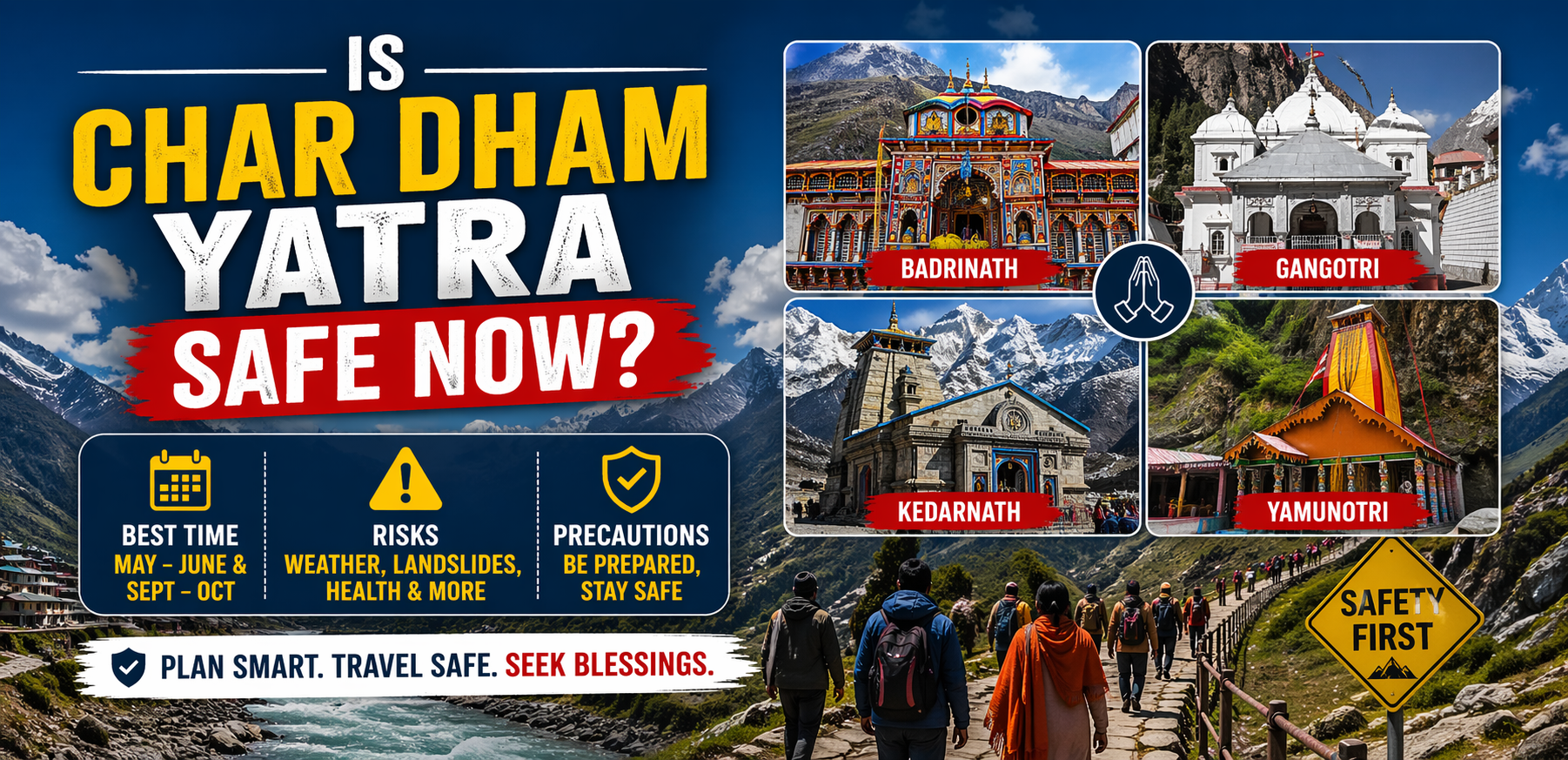
Planning a spiritual journey to the Char Dham is not just about devotion—it’s also about preparation, awareness, and safety. In recent years, many travelers have started exploring a tour package for Char Dham while also asking a crucial question: Is Char Dham yatra safe now? This concern is valid, especially after reports of landslides, unpredictable weather, and health challenges faced by pilgrims in the Himalayan region. The terrain is beautiful but demanding, and even experienced travelers need to approach it with caution.
While infrastructure has improved significantly, choosing a reliable tour package for char dham can help manage logistics, permits, accommodation, and emergency support more efficiently. However, the risks associated with high-altitude travel and mountain conditions cannot be ignored. Understanding the ground realities before embarking on this sacred journey can make a huge difference. This guide is designed to give you a clear, honest, and practical overview of safety, risks, and preparation strategies so you can travel with confidence and peace of mind.
Key Highlights:
-
Safety awareness is essential before planning the Yatra
-
Weather and terrain play a major role in risk levels
-
Preparation directly impacts your travel experience
-
Government measures have improved safety conditions
-
Informed travelers face fewer challenges
Overall Safety of Char Dham Yatra
When discussing whether the Char Dham Yatra is safe now, the answer is not a simple yes or no. The Yatra has become safer over the years due to improved roads, better communication systems, and strict monitoring by authorities. However, the Himalayan region still presents natural challenges that cannot be completely controlled. Pilgrims travel through steep mountain routes, high altitudes, and areas prone to sudden weather changes. The government has taken significant steps such as introducing biometric registration, deploying medical teams, and enhancing disaster response mechanisms.
Despite these improvements, safety ultimately depends on individual responsibility. Travelers who follow guidelines, avoid risky behavior, and plan their itinerary wisely generally have a smooth experience. On the other hand, ignoring warnings or rushing the journey can increase risks.
Key Points:
-
Infrastructure improvements have enhanced safety
-
Natural risks like landslides still exist
-
Registration and monitoring systems are in place
-
Personal responsibility is crucial
-
Planning reduces travel risks significantly
Best and Safest Time to Visit Char Dham Yatra
Timing is one of the most important factors when evaluating Char Dham Yatra safety. The safest and most comfortable periods are typically during the pre-monsoon and post-monsoon months.
During May and June, the weather remains relatively stable, and routes are accessible, although crowds can be heavy. September and October, after the monsoon season, are often considered the safest time because the risk of landslides decreases and the environment becomes more predictable.
Traveling during these windows allows pilgrims to avoid extreme weather conditions and unnecessary delays. Choosing the right time not only improves safety but also enhances the overall spiritual experience. Pilgrims can focus on their journey instead of worrying about disruptions or hazards.
Best Time Insights:
-
May–June offers accessibility but heavy crowds
-
September–October is considered the safest period
-
Monsoon months should be avoided for safety
-
Winter season remains closed due to snowfall
-
Timing affects both safety and comfort
Seasonal Comparison: Summer vs Monsoon vs Winter
Each season in the Char Dham places presents a completely different experience, and understanding these differences is essential for safe travel. Summer months bring pleasant weather and open routes, making it the most popular time for pilgrims. However, the high number of visitors can lead to congestion and longer travel times. Monsoon season introduces significant risks, including landslides, roadblocks, and delays caused by heavy rainfall. Winter, on the other hand, is not suitable for travel as the temples remain closed and the region experiences heavy snowfall.
Evaluating these seasonal variations helps travelers decide the safest and most practical time for their journey. A well dated char dham visit can reduce stress and ensure a smoother pilgrimage.
Seasonal Overview:
-
Summer: Safe but crowded
-
Monsoon: High risk and unpredictable
-
Winter: Not accessible for pilgrimage
-
Post-monsoon: Balanced and safer
Risks During Monsoon: What You Should Know
One of the biggest concerns regarding is char dham yatra safe now arises during the monsoon season. Heavy rainfall in the Himalayan region often leads to landslides, road closures, and travel delays that can last for hours or even days. The terrain becomes slippery, and visibility may reduce significantly, making travel more challenging. Pilgrims may also face disruptions in accommodation and transportation due to unexpected weather changes.
While the scenery becomes lush and beautiful during this time, the risks outweigh the benefits. Travelers who choose to visit during monsoon must be extremely cautious and prepared for uncertainties. For most people, it is advisable to avoid this period entirely.
Monsoon Risks:
-
Frequent landslides and roadblocks
-
Travel delays and route diversions
-
Slippery trekking paths
-
Limited visibility during heavy rain
-
Higher chances of emergencies
Char Dham Weather Conditions & Unpredictability
Weather in the Char Dham region can change rapidly, sometimes within a matter of hours. A bright sunny morning can quickly turn into a rainy or cold afternoon, catching unprepared travelers off guard. This unpredictability adds to the overall risks in Char Dham Yatra, especially for those who are not accustomed to mountain climates. Sudden temperature drops can lead to discomfort or even health issues if proper clothing is not carried. Wind conditions at higher altitudes can also intensify, making travel more difficult. Being aware of these conditions and preparing accordingly is essential for a safe journey. Checking weather forecasts regularly can help minimize unexpected challenges.
Weather Challenges:
-
Sudden weather changes are common
-
Temperature drops can be significant
-
Rain and storms can occur unexpectedly
-
Wind conditions intensify at higher altitudes
-
Preparation is key to handling variability
Health Risks Due to High Altitude
High altitude travel is one of the most critical factors affecting Char Dham Yatra safety. Locations like Kedarnath and Badrinath are situated at elevations where oxygen levels are lower than usual. This can lead to symptoms such as dizziness, fatigue, nausea, and breathlessness. For some individuals, these symptoms can develop into more serious conditions if ignored.
Travelers who are not physically prepared or who ascend too quickly are more likely to experience difficulties. Understanding these risks and taking preventive measures can significantly improve safety. Proper acclimatization, hydration, and rest are essential components of a healthy journey.
Health Risk Factors:
-
Low oxygen levels at high altitude
-
Symptoms like dizziness and breathlessness
-
Risk increases without acclimatization
-
Physical fitness plays a major role
-
Preventive care reduces complications
Medical Fitness and Preparation
Before embarking on the journey, assessing your medical fitness is extremely important. Many travelers underestimate the physical demands of the Yatra, especially when it involves trekking and long travel hours. Senior citizens and individuals with pre-existing conditions need to be particularly cautious. A medical check-up before the trip can help identify any potential risks and ensure that you are fit to travel.
Carrying necessary medications and following a healthy routine during the journey can prevent complications. Preparing your body and mind for the journey is just as important as planning the itinerary.
Preparation Tips:
-
Get a medical check-up before traveling
-
Carry essential medications
-
Maintain hydration throughout the journey
-
Avoid overexertion
-
Listen to your body’s signals
Kedarnath Trek Difficulty Explained
The Kedarnath trek is often considered the most challenging part of the Char Dham Yatra. The route involves a steep climb over a distance of approximately 16–18 kilometers, which can be physically demanding for many travelers. The combination of altitude, weather conditions, and terrain adds to the kedarnath trek difficulty level. However, various alternatives such as pony rides, palkis, and helicopter services are available for those who cannot complete the trek on foot. Understanding the difficulty level beforehand allows travelers to make informed decisions and prepare accordingly. Proper planning can turn a challenging trek into a manageable experience.
Trek Insights:
-
Long and steep trekking route
-
Physically demanding conditions
-
Weather adds to difficulty
-
Alternative travel options available
-
Preparation ensures a safer trek
Char Dham Yatra for Senior Citizens
A common concern among families is whether the journey is suitable for elderly travelers. The answer depends largely on preparation, health condition, and travel planning. Many senior citizens successfully complete the Yatra every year by choosing the right travel options and avoiding physically demanding routes. Helicopter services and comfortable accommodations have made the journey more accessible. However, it is important to prioritize health and avoid unnecessary strain. Traveling at a relaxed pace and taking frequent breaks can make the experience more comfortable and enjoyable.
Senior Travel Tips:
-
Choose helicopter services when possible
-
Avoid peak crowd seasons
-
Travel at a comfortable pace
-
Stay in well-equipped accommodations
-
Keep emergency contacts accessible
Essential Char Dham Yatra Precautions
Taking precautions is the foundation of a safe journey. Travelers must follow guidelines, respect local conditions, and avoid risky behavior. Simple steps like staying updated on weather conditions, avoiding night travel in hilly areas, and sticking to designated routes can significantly reduce risks. Being cautious does not mean being fearful—it simply means being prepared. Pilgrims who follow basic safety practices are more likely to have a smooth and fulfilling journey.
Precaution Checklist:
-
Follow official guidelines
-
Avoid night travel in mountains
-
Stay updated on weather alerts
-
Use authorized routes only
-
Travel with a planned itinerary
Char Dham Yatra Travel Tips for Safety
Smart travel habits can make a big difference in ensuring safety. Starting early in the day helps avoid weather disruptions and gives you enough time to reach your destination comfortably. Keeping buffer days in your itinerary can help manage unexpected delays. Traveling light but carrying essential items ensures convenience without compromising preparedness. Staying informed and alert throughout the journey allows you to respond effectively to any situation.
Below are the char dham yatra tips for healthy and safer journey:
-
Start early each day
-
Keep buffer days in your plan
-
Travel light but carry essentials
-
Stay informed about local conditions
-
Avoid rushing the journey
Government Guidelines for Char Dham Yatra
The authorities have implemented several measures to enhance safety for pilgrims. Mandatory registration, health screenings, and controlled entry systems are some of the steps taken to manage crowd flow and ensure safety. Emergency services and rescue teams are stationed along the routes to respond quickly in case of any issues. Following these guidelines is essential for a smooth and safe experience. Ignoring official instructions can increase risks and create unnecessary complications.
Government Measures:
-
Mandatory registration system
-
Health checks at entry points
-
Emergency response teams deployed
-
Crowd management strategies
-
Improved infrastructure and monitoring
Packing Essentials for Safety
Packing the right items is crucial when traveling to a region with unpredictable conditions. Even during summer, temperatures can drop suddenly, making warm clothing necessary. Rain protection is equally important due to sudden showers. Carrying a first-aid kit, power bank, and energy snacks ensures you are prepared for emergencies. Comfortable footwear is essential for trekking and long walks. Smart packing helps you stay ready for any situation without feeling overwhelmed.
Packing List:
-
Warm clothes and rain gear
-
First-aid kit and medicines
-
Power bank and flashlight
-
Energy snacks and water
-
Comfortable trekking shoes
Emergency Preparedness and Planning
No matter how well you plan, unexpected situations can arise. Being prepared for emergencies ensures that you can handle challenges calmly and effectively. Keeping emergency contact numbers, informing family members about your travel plan, and staying connected with local authorities can make a big difference. Awareness and preparedness are key elements of Char Dham Yatra safety. Travelers who are ready for uncertainties tend to handle them better.
Emergency Tips:
-
Save important contact numbers
-
Inform family about your itinerary
-
Stay connected with local authorities
-
Keep backup plans ready
-
Remain calm during unexpected situations
Final Verdict: Is Char Dham Yatra Safe Now?
After considering all aspects, the answer to is char dham yatra safe now is clear, yes, it is safe, but only when approached responsibly. The journey offers a deeply spiritual experience, but it also demands respect for nature and proper preparation. Travelers who plan wisely, choose the right season, and follow safety guidelines are more likely to have a smooth and fulfilling pilgrimage.
On the other hand, ignoring risks or rushing the journey can lead to unnecessary challenges. Safety is not just about infrastructure, it is about awareness, discipline, and smart decision-making.
Final Takeaways:
-
The Yatra is safe with proper planning
-
Avoid monsoon for better safety
-
Follow guidelines and stay informed
-
Prepare physically and mentally
-
Respect nature and travel responsibly
Frequently Asked Questions for the Char Dham Yatra Safety
1. Is it safe to visit Char Dham Yatra right now?
Ans: Yes, it is currently safe. However, Kinghills Travels recommends checking daily weather bulletins and government advisories before departure, especially during the transition into the monsoon season.
2. Which is the safest month for Char Dham Yatra?
Ans: The safest and most pleasant months are May, June, September, and October. Kinghills Travels experts suggest avoiding the peak monsoon (July and August) due to landslide risks.
3. Can senior citizens do Char Dham Yatra safely?
Ans: Yes, with proper planning. Kinghills Travels advises senior citizens to opt for helicopter services for Kedarnath and ensure a 2-day acclimatization period in Haridwar or Rishikesh.
4. What are the new government guidelines for Char Dham Yatra 2026?
Ans: Mandatory biometric registration and health screenings are in place. Kinghills Travels assists all our guests with the latest QR-code registration to ensure a hassle-free journey.
5. Is Kedarnath trek dangerous for heart patients?
Ans: The high altitude (3,583m) can be strenuous. Kinghills Travels mandates a medical fitness certificate for all trekkers and recommends consulting a cardiologist before booking.
6. How is the weather in Char Dham during the monsoon?
Ans: Monsoon brings heavy rainfall, fog, and unpredictable road blocks. If you must travel then, Kinghills Travels provides experienced mountain drivers and sturdy SUVs for maximum safety.
7. What medical preparations are needed for Char Dham?
Ans: Carry a portable oxygen cylinder, altitude sickness meds (Diamox), and basic first-aid. Kinghills Travels kits always include emergency medical supplies for our tour groups.
8. Are roads to Badrinath and Kedarnath safe for self-driving?
Ans: The terrain is challenging with sharp bends. For safety, Kinghills Travels recommends hiring local professional drivers who are accustomed to Himalayan road conditions.
9. What should I pack for the Char Dham Yatra safety?
Ans: Essential items include sturdy trekking shoes, thermals, a raincoat, and a power bank. Kinghills Travels provides a detailed "Safety Packing List" to all our travelers.
10. Is there a risk of landslides during Char Dham Yatra?
Ans: Risks increase during heavy rains. Kinghills Travels monitors real-time BRO (Border Roads Organization) updates to reroute or pause travel during high-risk alerts.
11. Do I need a medical fitness certificate for Char Dham?
Ans: Yes, specifically for the Kedarnath trek and for pilgrims over age 50. Kinghills Travels can guide you on where to get these clearances officially.
12. Is it safe to travel to Char Dham at night?
Ans: No, mountain driving after 8:00 PM is restricted and dangerous. Kinghills Travels ensures all transit is completed during daylight hours for passenger security.
13. Are helicopter services safe for Char Dham?
Ans: Yes, they are highly regulated. Kinghills Travels only books through government-authorized operators to ensure the highest safety standards and fair pricing.
14. How many days are required for a safe Char Dham Yatra?
Ans: A safe, relaxed pace requires 10–12 days by road. Kinghills Travels designs itineraries that include "rest days" to prevent physical exhaustion.
15. What is the current status of the Char Dham road conditions?
Ans: Most roads are currently double-laned under the All-Weather Road project. Kinghills Travels provides daily route updates to our clients via our on-ground coordinators.